一、家世溯源:抗英将门后代,血脉里的家国大义
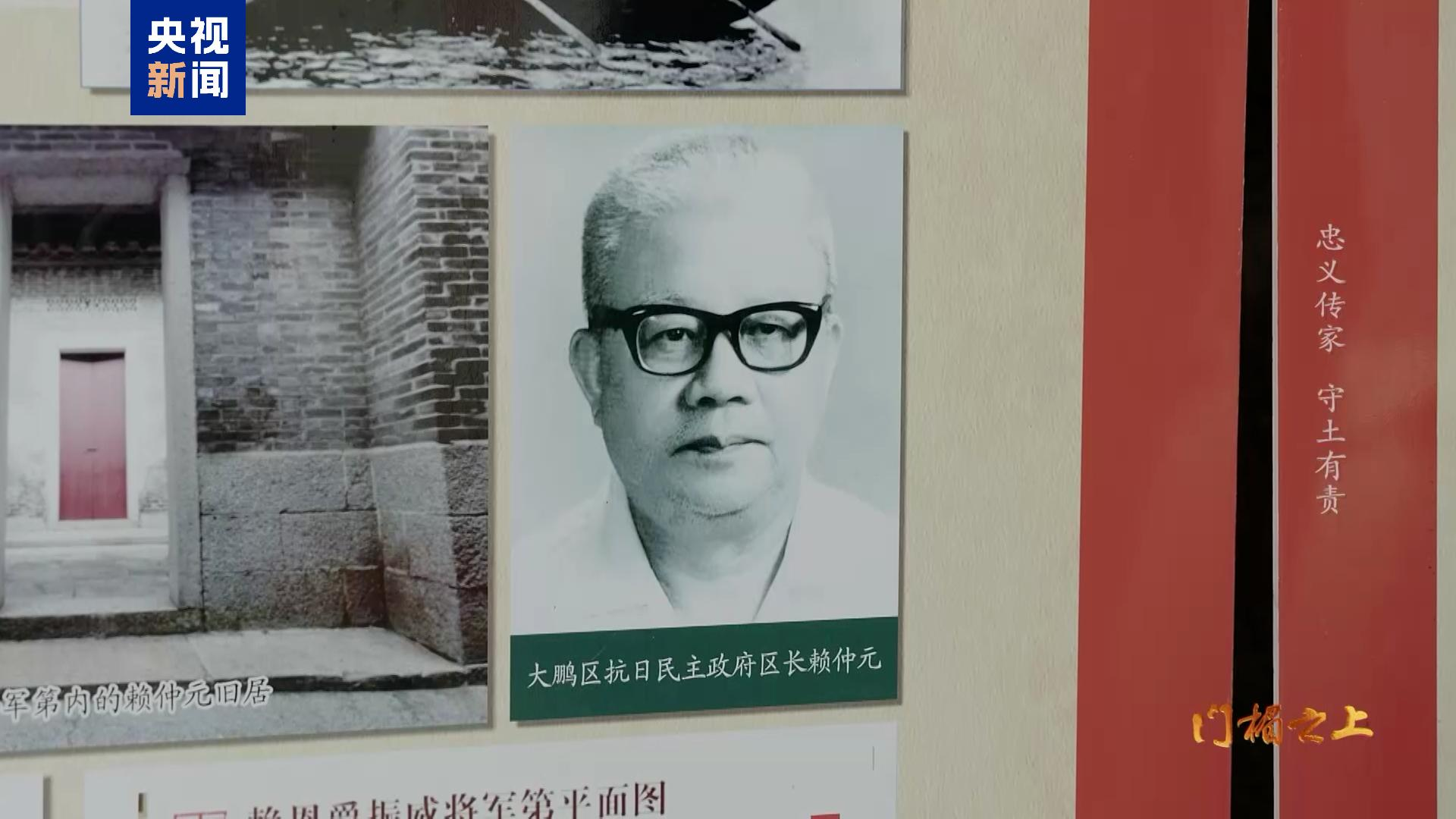
赖仲元(1918—1988),深圳大鹏所城人,清代抗英名将**赖恩爵第六代嫡孙**。大鹏赖氏“三代五将”,先祖赖恩爵打响近代反侵略第一仗九龙海战,保疆御侮的家风自小浸润其身。
少年赖仲元求学广州一中,亲历“一二·九”爱国学生运动,在校进步读书会接触马列思想,早早立下救亡之志。1936年,眼见日寇步步紧逼,他放弃城市求学,返乡大鹏,联络本地进步青年,以教书为掩护播撒革命火种,与刘黑仔、袁庚等少年结下革命同道之缘。
二、烽火东江:毁家纾难的东纵基层主官(1938—1946)
1. 投身革命,火线入党
1938年6月,日军即将登陆大亚湾,赖仲元率先加入大鹏抗日自卫团,组织乡间抗日宣传队、夜校,向渔民、农民宣讲救国道理;同年10月正式加入中国共产党,首任大鹏乡党支部书记,以小学教师身份建立地下联络点。
2. 培育双星,引领英才走上革命路
他是两位传奇人物的入党引路人:
- 抗日传奇英雄**刘黑仔(刘锦进)**:受赖仲元思想启蒙,1939年经其介绍入党,成长为港九短枪队队长,威震港深敌后;
- 改革先锋**袁庚**:同期由他发展入党,后任东纵联络处长,晚年创办蛇口工业区,开启中国改革开放窗口。
3. 倾家救国,祖宅变抗日党校
日军封锁华南,东江纵队弹药、粮草极度匮乏。赖仲元变卖赖氏祖产田地,全部钱款充作部队军饷;主动开放自家祖宅**振威将军第**,开办**东江纵队青年干部训练班**,为华南敌后战线批量培养游击干部,将军门老宅化作红色摇篮。
4. 执掌抗日政权,游击征战大鹏半岛
1940年出任中共大鹏区委书记;1944年10月,大鹏路东新一区抗日民主政府成立,赖仲元兼任区委书记、区长,统管地方自卫武装,建立完整乡、村民主政权,组织群众筹粮、救护伤员、搜集日军情报,统筹大鹏半岛敌后游击战。
后编入东江纵队,历任独立中队政委、部队特派员,穿梭坪山、葵涌、大鹏、港九沿线,在山林、海岸线开展游击战,护送文化名人大营救、破坏日军海上补给线。
三、北撤齐鲁,亲历两大野战军征战(1946—1949)
1946年6月30日,根据国共协定,东江纵队主力北撤山东解放区,赖仲元随军北上。
因兼具敌后游击经验与军政统筹能力,被选调为**华东野战军陈毅、粟裕首长随从参谋,跟随华野转战苏鲁,参与解放区土地改革、支前动员、前线参谋工作,完成从华南游击干部到正规野战军军政人才的蜕变。
1949年开国大典前夕,作为华南游击战线代表,受邀登上天安门城楼,亲眼见证新中国成立,成为一生至高荣光。同年12月,奉命随军南下返粤,参与华南解放与地方重建。
四、建国建设:深耕党校、农林科技两大战线(1949—1983)
1. 开创华南党校教育
返粤后,参与筹建**中共中央华南分局党校**(广东省委党校前身),长期从事党史、干部理论教育,历任党史教研室主任、副校长、常务副校长,深耕干部教育数十年。立足广东革命实际,整理东江纵队斗争史料,将华南敌后抗战经验融入党课,为全省培养大批党政基层干部。
2. 农林科技战线深耕实干
中途调任广东省农林水办公室副主任,兼任省科委副主任,扎根粤地乡村,调研珠三角、粤北山区农业生产,推动水利建设、良种培育、基层农技推广,兼顾农业发展与科学技术普及。
3. 历经磨难,初心不改
特殊年代,赖仲元遭受批斗、下放粤北矿山劳动,身心饱受磨难,但始终坚守信仰,不隐瞒、不背弃革命战友与历史事实。1973年平反恢复工作,重回广东省委党校主持校务,重整教学秩序,重启党员干部理论培训工作。
1983年4月正式离休,享受离休干部待遇,离休后仍持续整理东江纵队革命史料,为深圳、广东党史编撰提供一手亲历素材。
五、暮年与身后:将门革命者精神永存
1988年9月,赖仲元在广州病逝,享年70岁。
他一生承先祖抗英风骨,青年毁家抗日、壮年南北征战、半生育人兴农,完美串联起大鹏所城六百年海防忠义与东江纵队红色革命精神:
祖上赖恩爵以枪炮御外敌,护国土;
后辈赖仲元以信仰举红旗,救万民。
时至今日,大鹏所城振威将军第、深圳党史展馆仍完整留存他的革命事迹,他“毁家纾难、育人报国”的故事,成为深圳本土红色教育核心素材。
人物核心亮点总结
1. 双重传承:清代抗英将门后人+东江纵队核心基层领导,家族爱国精神跨越百年;
2. 无私奉献:变卖祖产、开放将军老宅支援抗日,以全族家底支撑敌后武装;
3. 伯乐之功:一手引导刘黑仔、袁庚两位时代名人走上革命道路;
4. 完整革命履历:华南敌后游击→华野参谋→开国大典观礼→党校教育领导者;
5. 风骨纯粹:历经坎坷不改初心,离休后深耕党史留存红色记忆。
I. Family Roots: Descendant of an Anti-British Martial Lineage, Patriotism in the Blood
Lai Zhongyuan (1918–1988), a native of Dapeng Fortress in Shenzhen, was the sixth-generation direct descendant of the Qing anti-British hero Lai Enjue. The Dapeng Lai clan produced “three generations, five generals”; his ancestor Lai Enjue fired the first shot of modern resistance against aggression at the Battle of Kowloon, and the family tradition of defending the border was instilled in him from childhood.
As a youth, Lai Zhongyuan studied at Guangzhou No. 1 Middle School and personally experienced the “December 9th” patriotic student movement. Through a progressive reading society at school he encountered Marxist-Leninist thought and resolved early to save the nation. In 1936, seeing the Japanese invaders closing in, he gave up his urban schooling, returned to Dapeng, and connected with local progressive youth, using teaching as a cover to spread revolutionary seeds, forging a revolutionary bond with youths such as Liu Heizi and Yuan Geng.
II. The East River in Flames: A Grassroots Commander Who Gave His All (1938–1946)
1. Joining the Revolution, Joining the Party in Combat
In June 1938, as Japanese forces were about to land at Daya Bay, Lai Zhongyuan was among the first to join the Dapeng Anti-Japanese Self-Defense Corps, organizing village propaganda teams and night schools to teach fishermen and farmers the cause of national salvation. That October he formally joined the Communist Party of China, becoming the first secretary of the Dapeng Township Party branch, and used his post as a primary-school teacher to build an underground liaison point.
2. Nurturing Two Stars, Guiding Talent onto the Revolutionary Path
He was the mentor who brought two legends into the Party:
- The guerrilla hero Liu Heizi (Liu Jinjin): enlightened by Lai Zhongyuan’s ideas, he joined the Party in 1939 through his introduction and grew into commander of the Kowloon short-gun squad, striking terror into the enemy behind the lines around Hong Kong and Shenzhen;
- The reform pioneer Yuan Geng: developed into the Party in the same period, later serving as director of liaison for the East River Column and, in his later years, founding the Shekou Industrial Zone, opening China’s window of reform and opening-up.
3. Giving His Family to the Nation: The Ancestral Mansion Becomes a Resistance Party School
With the Japanese blocking South China, the East River Column faced acute shortages of ammunition and provisions. Lai Zhongyuan sold the Lai clan’s ancestral fields and poured all the proceeds into the troops’ pay; he voluntarily opened the family’s ancestral home, the General’s Mansion (Zhenwei Jiangjun Di), to run the East River Column Youth Cadre Training Class, batch-training guerrilla cadres for the South China front and turning the old general’s residence into a red cradle.
4. Leading the Resistance Government, Guerrilla Warfare on the Dapeng Peninsula
In 1940 he became secretary of the Dapeng District Party Committee of the CPC; in October 1944, with the founding of the Ludong New First District Anti-Japanese Democratic Government of Dapeng, Lai Zhongyuan concurrently served as district Party secretary and head, overseeing local self-defense forces, building a complete township and village democratic government, organizing the masses for grain collection, casualty care, and intelligence gathering on Japanese forces, and coordinating guerrilla warfare across the Dapeng Peninsula.
Later incorporated into the East River Column, he served successively as political commissar of an independent company and as a unit commissar, moving through Pingshan, Kuichong, Dapeng, and the Kowloon corridor, waging guerrilla war in forests and along the coast, escorting the great rescue of cultural figures, and disrupting Japanese sea supply lines.
III. North to Shandong, Witness to Two Field Armies’ Campaigns (1946–1949)
On 30 June 1946, under the KMT–CPC agreement, the main force of the East River Column withdrew north to the Shandong liberated area, and Lai Zhongyuan went with them.
Thanks to his combined experience in behind-enemy-lines guerrilla war and military-political coordination, he was selected as an aide-de-camp to commanders Chen Yi and Su Yu of the East China Field Army, following the army through Jiangsu and Shandong, taking part in land reform in the liberated areas, mobilization for the front, and front-line staff work, completing his transformation from a South China guerrilla cadre into a regular field-army military-political talent.
On the eve of the founding ceremony of the PRC in 1949, as a representative of the South China guerrilla front, he was invited onto the Tiananmen rostrum to witness the birth of New China — the highest honor of his life. That December, under orders, he returned south with the army to Guangdong to take part in the liberation of South China and local reconstruction.
IV. Nation-Building: Deep Commitment to Two Fronts — Party School and Agriculture-Science (1949–1983)
1. Pioneering Party-School Education in South China
After returning to Guangdong, he helped found the Party School of the South China Bureau of the CPC Central Committee (forerunner of the Guangdong Provincial Party School), devoting himself long-term to Party history and cadre theoretical education, serving successively as director of the Party History teaching-research office, vice president, and executive vice president, cultivating cadres for decades. Grounded in Guangdong’s revolutionary reality, he compiled the struggle archives of the East River Column and wove South China’s behind-enemy-lines war experience into Party lessons, training large numbers of grassroots Party and government cadres for the province.
2. Deep, Practical Work on the Agriculture-Forestry-Science Front
Mid-career he was transferred to deputy director of the Guangdong Provincial Agriculture-Forestry-Water Office and concurrently deputy director of the Provincial Science and Technology Commission, rooting himself in Guangdong’s villages, researching agricultural production across the Pearl River Delta and the northern Guangdong mountains, promoting water conservancy, improved seed cultivation, and grassroots agro-tech extension, balancing agricultural development with the spread of science and technology.
3. Trials Endured, Original Aspiration Unchanged
In special times, Lai Zhongyuan was struggled against and sent to labor in a northern Guangdong mine, suffering physically and mentally, yet he never abandoned his faith, nor concealed or betrayed his revolutionary comrades or historical truth. Rehabilitated in 1973, he returned to the Guangdong Provincial Party School to lead its administration, restored teaching order, and restarted theoretical training for Party members and cadres.
He formally retired in April 1983 with retired-cadre benefits, and even after retirement continued to organize the East River Column’s revolutionary archives, providing first-hand materials for the compilation of Shenzhen’s and Guangdong’s Party history.
V. Late Years and Legacy: The Spirit of the Martial Revolutionary Endures
In September 1988, Lai Zhongyuan passed away in Guangzhou at the age of 70.
His life carried forward his ancestor’s anti-British fortitude: in youth he gave his family to the resistance; in his prime he campaigned north and south; for half his life he educated others and invigorated agriculture — perfectly linking the six-century coastal-defense loyalty of Dapeng Fortress with the red revolutionary spirit of the East River Column:
His ancestor Lai Enjue defended the homeland with cannon and gun;
His descendant Lai Zhongyuan raised the red flag with conviction, to save the people.
To this day, the General’s Mansion in Dapeng Fortress and the Shenzhen Party History Exhibition Hall still preserve his revolutionary deeds intact. His story of “giving his family to relieve the nation, educating others to serve the country” has become a core resource for Shenzhen’s local red education.
Summary of Key Highlights
1. Dual heritage: descendant of a Qing anti-British martial family and a core grassroots leader of the East River Column — the clan’s patriotic spirit spans a century;
2. Selfless devotion: sold ancestral property and opened the general’s old residence to support the resistance, backing the behind-enemy-lines armed force with the whole clan’s resources;
3. A talent-spotter: single-handedly guided two era-defining figures, Liu Heizi and Yuan Geng, onto the revolutionary path;
4. A complete revolutionary record: South China behind-enemy-lines guerrilla → Huaye staff officer → guest at the founding ceremony → leader in Party-School education;
5. Pure character: endured hardship without changing his heart; after retirement, delved into Party history to preserve red memory.