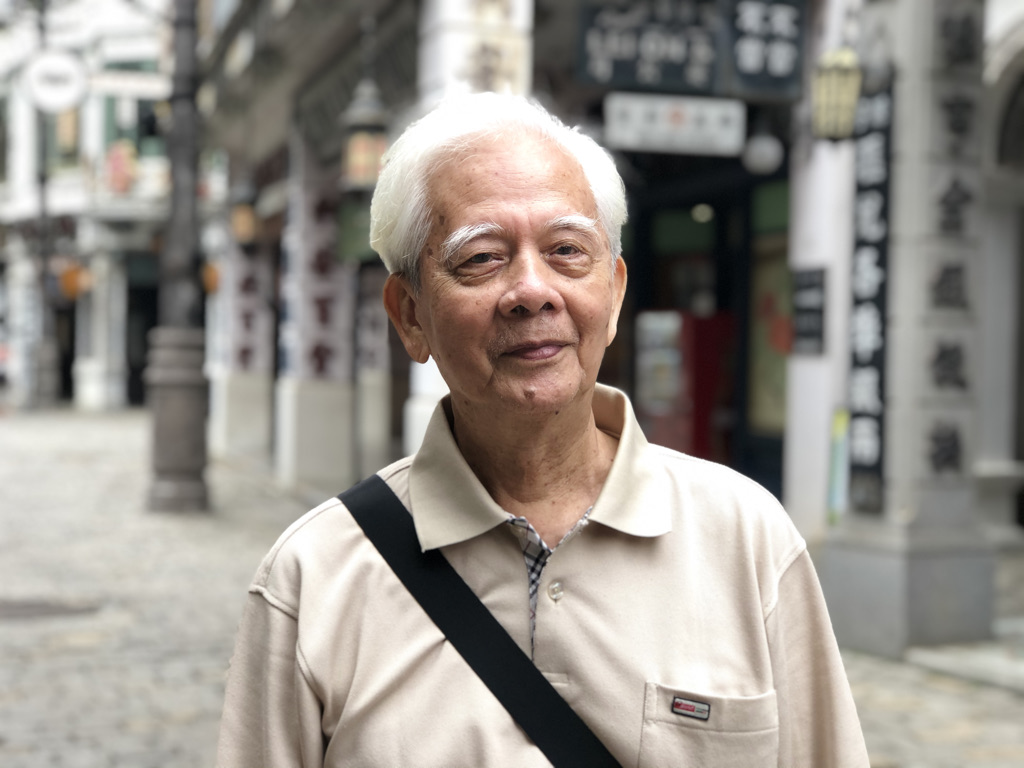
赖济煌(1940年5月22日生),笔名丁冬,深圳市大鹏新区人,是鸦片战争抗英名将、九龙海战指挥者振威将军赖恩爵的第七代孙。他出身清代大鹏“三代五将”忠勇将门世家,也是改革开放全国标杆青年刊物《黄金时代》(前身《广东青年》)的核心创办者、首任社长兼总编辑。其人生横跨基层团务、文学创作、期刊经营、行业管理、家族文史整理五大领域,以笔墨传承先祖守土报国的精神,深刻影响70、80两代全国青年。
一、将门出身与少年热血:忠勇家风滋养理想底色
赖济煌生于深圳大鹏赖氏将门,先祖赖恩爵是鸦片战争首战九龙海战的统帅,率水师击退英军,获道光帝御赐“振威将军第”,家族素有“岗不离守,守不离纲”的爱国家训。幼年在家乡大鹏古城成长,1949年随父亲赖仲元迁往广州农林上路居住。
少年时期便极具理想主义:曾背着画稿、脚缠军用绑腿,效仿高尔基徒步沿京九铁路北上,立志远赴莫斯科追寻理想,一时成为农林上路干部子弟中的知名少年,后被广东相关部门寻回。
受家族忠勇精神感召,1958年主动报名广州青年垦荒队奔赴海南岛,扎根农场基层,开启文字创作之路。
二、早年基层历练:垦荒作家、青年宣传骨干
在海南农场宣传科工作期间,他扎根生产一线,累计发表50余篇散文诗,深耕农村题材小说、报告文学;1963年进入澄迈县团委,历任团县委副书记、澄迈县委宣传部副部长,长期扎根青年群众工作,积累大量观察青年、宣传引导的实战经验。
1965年,他受邀出席全国青年文学创作积极分子大会,是当时华南为数不多获全国级表彰的基层青年写作者。因文字功底与青年工作能力突出,1972年从海南调回共青团广东省委。
在团系统,他历任团省委宣传部部长、团省委委员、第六、七届团省委常委、第五届广东省青联副主席,完整走完从县级团委到省级团领导的全链条青年工作路径,为后续办刊奠定核心根基。
三、核心功绩:一手缔造《黄金时代》,改革开放青年文化标杆
刊物沿革:《广东青年》为刊物前身,改革开放初期由赖济煌主导改版、更名《黄金时代》,他担任社长、总编辑数十年,将一份省级内部青年刊物打造为全国现象级青年杂志。
发行量与国民影响力空前:上世纪80年代为杂志鼎盛期,月发行量近两百万册,稳居全国青年刊物第一梯队,是全国青年了解改革开放前沿广东的核心窗口。杂志打破传统青年读物刻板说教模式,直面下海创业、城乡青年、婚恋理想、市场经济、打工群体等时代热点,客观记录南粤敢闯敢试的时代精神,成为几代年轻人成长的精神良师益友。
文坛汇聚,搭建岭南文化平台:杂志聚拢广东老中青三代知名作家、文化人,为本土创作者提供发表阵地,全方位展现改革开放南大门鲜活、进取的精神面貌,内容辐射全国内地,成为80年代标志性青年文化符号。
国家级行业荣誉,行业领军地位:主持杂志运营期间,斩获广东省十佳期刊、全国百佳社科期刊、入选中国期刊方阵、获评“新中国60年最有影响力期刊”,是华南唯一获此国家级重磅称号的共青团系统刊物。凭借办刊成就,他当选中国青年报刊工作者协会副会长、广东省杂志出版协会副会长,全国各地团刊、青年杂志社均赴广东学习办刊经验,成为全国青年出版行业公认领路人。
国家级出版最高表彰:2009年1月12日,在北京改革开放30年出版行业表彰大会上,国家新闻出版总署授予其中国出版荣誉纪念章,全国仅100位出版工作者获此殊荣,表彰其三十余年坚守出版阵地、解放思想、打造时代精品、做好青年思想引导的突出贡献。
四、文学创作与丛书编撰:笔耕不辍,记录时代青年
作为广东省作家协会第三届理事,他长期坚持文学创作,代表作有长篇现实题材作品《“半边天”小传》;退休后持续策划、主编多部影响深远的青年读物与岭南人物丛书,如《涉世之处》《青春梦》《精彩人生》等,记录广东青年奋斗故事、岭南文化名人生平,留存大量改革开放珍贵文字史料。
五、传承先祖文脉:撰写家族史书,弘扬海防爱国精神
作为赖恩爵七世孙,他退休后担任大鹏赖氏宗亲会副会长,耗时三年走访、搜集整理家族历代史料,2005年完成纪传体长篇小说《振威将军赖恩爵》,由海天出版社正式出版。
本书是首部由赖恩爵直系后人创作、以振威将军为主角的文学作品,完整还原赖氏“三代五将”镇守南海、九龙海战抗英卫国的光辉历史,以文字传承先祖保家卫国的忠勇家风,成为深圳大鹏所城爱国主义教育重要配套读物。
六、社会兼职:搭建青年交流平台,深耕行业与社群
退休后他持续投身青年服务、出版行业、宗亲文化事业,身兼多项重要社会职务。
行业类:中国青年报刊工作者协会副会长、广东省杂志出版协会副会长;
青年组织类:广东省青联委员联谊会会长、广东省青年企业家协会名誉会长,长期搭建青年企业家、青年知识分子交流平台,扶持广东青年民营创业者;
宗亲文史类:大鹏赖氏宗亲会副会长,整理传播大鹏海防历史与赖氏将门文化。
七、综合评价:赖济煌的多重维度
家风精神层面:将门后人,以文续报国之志。身为赖恩爵第七代孙,先祖以水师战船守南大门,他以笔墨杂志引领一代人思想,跨越两百年,用不同方式传承守护家国的赖氏家风,是罕见兼具将门血脉与文化传播能力的人物。
时代文化层面:改革开放青年文化缔造者。亲手打造国民级刊物《黄金时代》,用文字记录、引领全国青年思想,杂志成为80年代改革开放标志性文化符号,深刻塑造70、80后两代人的成长认知。
行业权威层面:全国青年出版界奠基人。从零打造国家级标杆期刊,执掌全国青年报刊行业协会,为全国青年期刊树立办刊范本,同时获国家出版总署最高荣誉纪念章,是广东期刊市场化改革核心推动者。
综合能力层面:政、文、出版、文史复合型标杆。完整经历基层垦荒、县级团委、省级共青团领导、杂志创办人、作家、家族文史研究者多重身份,既能做青年思想宣传,又能市场化运营期刊,还能深耕文学与地方历史整理,一专多能,在广东青年宣传、出版文史领域至今少有比肩者。
资料来源与说明
本文据鹏城赖氏宗亲会家族人员档案《赖济煌完整生平:振威将军赖恩爵七世孙、〈黄金时代〉杂志奠基人》整理。原始档案注明“部分内容可能由 AI 生成”,文中关于七世孙身份、《黄金时代》创办与任职、国家级出版荣誉等核心事实,建议结合海天出版社公开出版物及行业史料进一步核验。
Lai Jihuang (born 22 May 1940), pen name Ding Dong, is a native of Dapeng New District, Shenzhen, and the seventh-generation descendant of Lai Enjue, the anti-British hero of the Opium War and commander of the Battle of Kowloon, who was granted the title “General Who Shakes Wei” (Zhenwei Jiangjun). Born into the loyal and valiant “three generations, five generals” family of Qing-dynasty Dapeng, he was also the core founder and first president and editor-in-chief of “Golden Times” (Huangjin Shidai, formerly “Guangdong Youth”), a nationally emblematic youth magazine of the reform era. His life spanned five domains — grassroots Youth League work, literary creation, periodical management, industry administration, and family history — and through his writing he carried forward his ancestors’ spirit of defending the homeland, profoundly influencing the youth of the 1970s and 1980s across the nation.
I. Martial Lineage and Youthful Ardor: A Loyal Family Tradition Nurturing Ideals
Lai Jihuang was born into the martial Lai family of Dapeng, Shenzhen. His ancestor Lai Enjue commanded the first battle of the Opium War, the Battle of Kowloon, repelling the British with the naval fleet and earning from the Daoguang Emperor the grant of the “General’s Mansion (Zhenwei Jiangjun Di)”; the family has long upheld the patriotic motto “The post is never left unguarded; guarding never departs from principle.” Growing up in the old Dapeng town, in 1949 he moved with his father Lai Zhongyuan to Guangzhou’s Nonglin Shanglu residence.
As a boy he was intensely idealistic: he once shouldered a portfolio of drawings, bound his legs with military puttees, and emulated Gorky by hiking north along the Beijing–Kowloon railway, determined to go to Moscow in pursuit of his ideals — becoming for a time a well-known youth among the children of cadres on Nonglin Shanglu, until relevant Guangdong authorities brought him home.
Inspired by the family’s loyal spirit, in 1958 he volunteered for the Guangzhou Youth Reclamation Team and went to Hainan Island, rooting himself in the farm grassroots and beginning his writing career.
II. Early Grassroots Tempering: Reclamation Writer and Youth Propaganda Mainstay
While working in the propaganda section of a Hainan farm, he stayed close to the production front line, publishing more than 50 prose poems and working deeply on rural-themed fiction and reportage. In 1963 he entered the Chengmai County Communist Youth League (CYL) committee, serving successively as deputy secretary of the county CYL and deputy head of the Chengmai County Party Propaganda Department, long rooted in youth mass work and accumulating extensive hands-on experience observing and guiding young people.
In 1965 he was invited to the National Conference of Active Young Literary Creators — one of the few grassroots young writers in South China to receive national recognition. For his outstanding writing and youth-work ability, in 1972 he was transferred back from Hainan to the CYL Guangdong Provincial Committee.
Within the League system he served as head of the Provincial CYL Propaganda Department, a member of the Provincial CYL Committee, a standing committee member of the 6th and 7th Provincial CYL Committees, and vice chairman of the 5th Guangdong Provincial Youth Federation — completing the full chain from county-level League to provincial Youth League leadership, laying the core foundation for his later magazine work.
III. Core Achievement: Single-Handedly Creating “Golden Times,” a Youth-Culture Benchmark of Reform
Evolution of the periodical: “Guangdong Youth” was its predecessor. In the early reform era, Lai Jihuang led its redesign and renaming to “Golden Times,” serving as president and editor-in-chief for decades and building a provincial internal youth publication into a nationally phenomenal youth magazine.
Unprecedented circulation and national influence: The magazine’s heyday was the 1980s, with a monthly circulation approaching two million copies, firmly in the top tier of national youth periodicals and a core window through which youth nationwide learned about reform-era Guangdong. Breaking the rigid, preachy mold of traditional youth reading, it confronted head-on such era-hot topics as striking out into business, urban and rural youth, love and ideals, the market economy, and the migrant-worker community, objectively recording the daring, experimental spirit of southern Guangdong and becoming a spiritual mentor and friend to generations of young people.
Gathering the literary world, building a Lingnan cultural platform: The magazine rallied renowned Guangdong writers and cultural figures of three generations — old, middle-aged, and young — providing a publishing stage for local creators, comprehensively displaying the vibrant, enterprising spirit of reform-era Guangdong’s southern gateway, its content radiating across the mainland and making it a defining youth-culture symbol of the 1980s.
National industry honors and leading status: Under his stewardship the magazine won “Guangdong’s Top Ten Periodicals,” “National Top Hundred Social-Science Periodicals,” selection into China’s Periodical Matrix, and was named “Most Influential Periodical of the 60 Years of New China” — the only CYL-system publication in South China to receive this major national honor. On the strength of these achievements he was elected vice president of the China Youth Press Workers Association and vice president of the Guangdong Magazine Publishing Association; youth periodicals and magazines from across the country sent delegations to Guangdong to learn its publishing methods, making him a universally acknowledged pioneer in national youth publishing.
Highest national publishing honor: On 12 January 2009, at the Beijing ceremony commemorating 30 years of reform and opening-up in the publishing industry, the General Administration of Press and Publication of China awarded him the China Publishing Honor Medal — one of only 100 publishing workers nationwide so honored — in recognition of his more than three decades holding the publishing front, emancipating the mind, creating era-defining quality works, and excellently guiding youth thought.
IV. Literary Creation and Series Editing: Never Ceasing the Pen, Recording the Era’s Youth
As a council member of the 3rd Guangdong Writers Association, he long persisted in literary creation. His representative work is the full-length realistic novel “‘Half the Sky’ — A Brief Biography.” After retirement he continued to plan and edit numerous influential youth readers and Lingnan-figures series, such as “At the Threshold of Life,” “Youthful Dreams,” and “A Splendid Life,” recording the struggles of Guangdong’s youth and the lives of Lingnan cultural figures, preserving a wealth of precious written historical material on reform and opening-up.
V. Carrying Forward the Ancestral Legacy: Writing the Family History, Promoting the Coastal-Defense Patriotic Spirit
As the seventh-generation descendant of Lai Enjue, after retirement he served as vice president of the Dapeng Lai Clan Association, spending three years visiting and collecting the family’s historical materials generation by generation, and in 2005 completed the biographical novel “Lai Enjue, the General Who Shakes Wei,” officially published by Haitian Publishing House.
This book is the first literary work created by a direct descendant of Lai Enjue with the General as its protagonist, fully restoring the glorious history of the Lai clan’s “three generations, five generals” guarding the South China Sea and resisting Britain at the Battle of Kowloon to defend the nation. Through words it transmits the loyal, patriotic family spirit of the ancestors, becoming an important complementary reader for patriotic education at Shenzhen’s Dapeng Fortress.
VI. Social Affiliations: Building Youth Exchange Platforms, Deepening Industry and Community
After retirement he continued to devote himself to youth service, the publishing industry, and clan-culture endeavors, holding multiple important social posts.
Industry: Vice president of the China Youth Press Workers Association; vice president of the Guangdong Magazine Publishing Association;
Youth organizations: Chairman of the Guangdong Provincial Youth Federation Members’ Fellowship Association; honorary chairman of the Guangdong Provincial Young Entrepreneurs Association — long building exchange platforms for young entrepreneurs and young intellectuals and supporting Guangdong’s young private-sector pioneers;
Clan history and culture: Vice president of the Dapeng Lai Clan Association, organizing and disseminating Dapeng’s coastal-defense history and the Lai martial-family culture.
VII. Overall Assessment: The Multiple Dimensions of Lai Jihuang
Family-spirit dimension: A martial descendant who continued the aspiration to serve the nation through writing. As the seventh-generation descendant of Lai Enjue — whose ancestors guarded the southern gateway with naval warships — he guided a generation’s thinking with his pen and magazine, transmitting and guarding the Lai family’s patriotic spirit across two centuries in different ways, a rare figure who combined martial blood with cultural dissemination ability.
Era-culture dimension: A creator of reform-era youth culture. He personally built the national-level periodical “Golden Times,” using words to record and guide the nation’s youth; the magazine became a defining cultural symbol of 1980s reform and opening-up, profoundly shaping the growth and worldview of the post-70s and post-80s generations.
Industry-authority dimension: A founder of China’s youth publishing. From scratch he built a national benchmark periodical, led the national youth press industry association, set the publishing model for youth periodicals nationwide, and was awarded the publishing administration’s highest honor medal — a core driver of Guangdong’s periodical marketization reform.
Comprehensive-ability dimension: A composite benchmark across politics, letters, publishing, and history. He fully experienced multiple identities — grassroots reclamation worker, county CYL, provincial CYL leadership, magazine founder, writer, and family-history researcher — able both to do youth ideological propaganda and to operate a periodical commercially, and also to delve into literature and local-history organization. Versatile and specialized, he remains rarely matched in Guangdong’s youth propaganda, publishing, and historical-research circles.
Sources and Notes
This article is compiled from the Pengcheng Lai Clan Association family archive, “The Complete Life of Lai Jihuang: Seventh-Generation Descendant of General Lai Enjue and Founder of ‘Golden Times’ Magazine.” The original archive notes that “some content may have been AI-generated”; readers are advised to further verify the core facts — the seventh-generation descent, the founding and his tenure at “Golden Times,” and the national publishing honors — against Haitian Publishing House’s publicly available publications and industry historical materials.