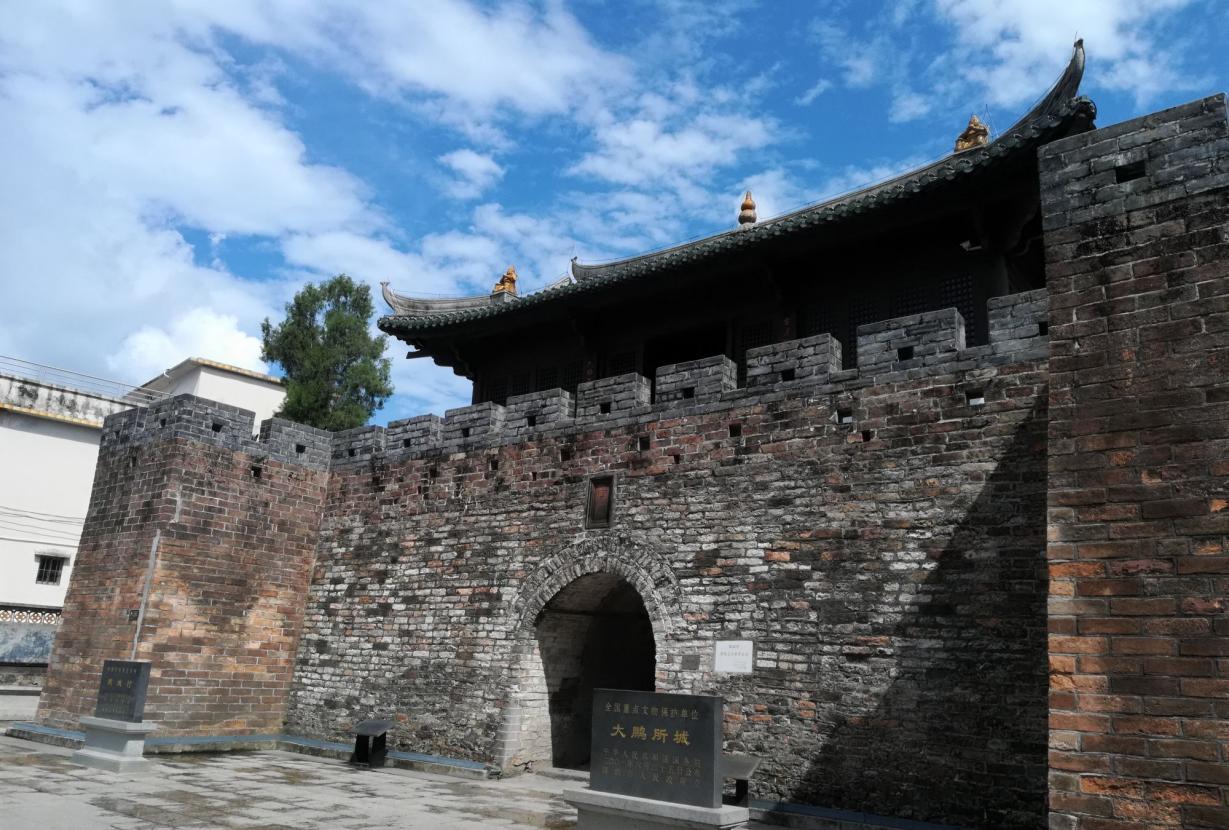
"沿海所城,大鹏为最。"—— 清嘉庆《新安县志》
在深圳这座以 "速度" 闻名的现代化都市东部,大鹏半岛的山海之间,静静矗立着一座历经 600 余年风雨的古城。青砖斑驳,雉堞嵯峨,城墙上的每一道刻痕都刻录着一段波澜壮阔的海防史诗。这就是大鹏所城,深圳别称 "鹏城" 的源头,一座被誉为 "明清海防活化石" 的军事要塞。
一、洪武开疆:一座海防要塞的诞生
卫所制度下的战略布局
明洪武二十七年(公元 1394 年),开国皇帝朱元璋的一道圣旨,拉开了大鹏所城建设的序幕。彼时大明初立,东南沿海倭寇猖獗,海盗横行,广东沿海更是首当其冲。广东都指挥使花茂上书朝廷,建议在沿海增设二十四座卫所,以固海疆。大鹏守御千户所,便是其中最为重要的一座。
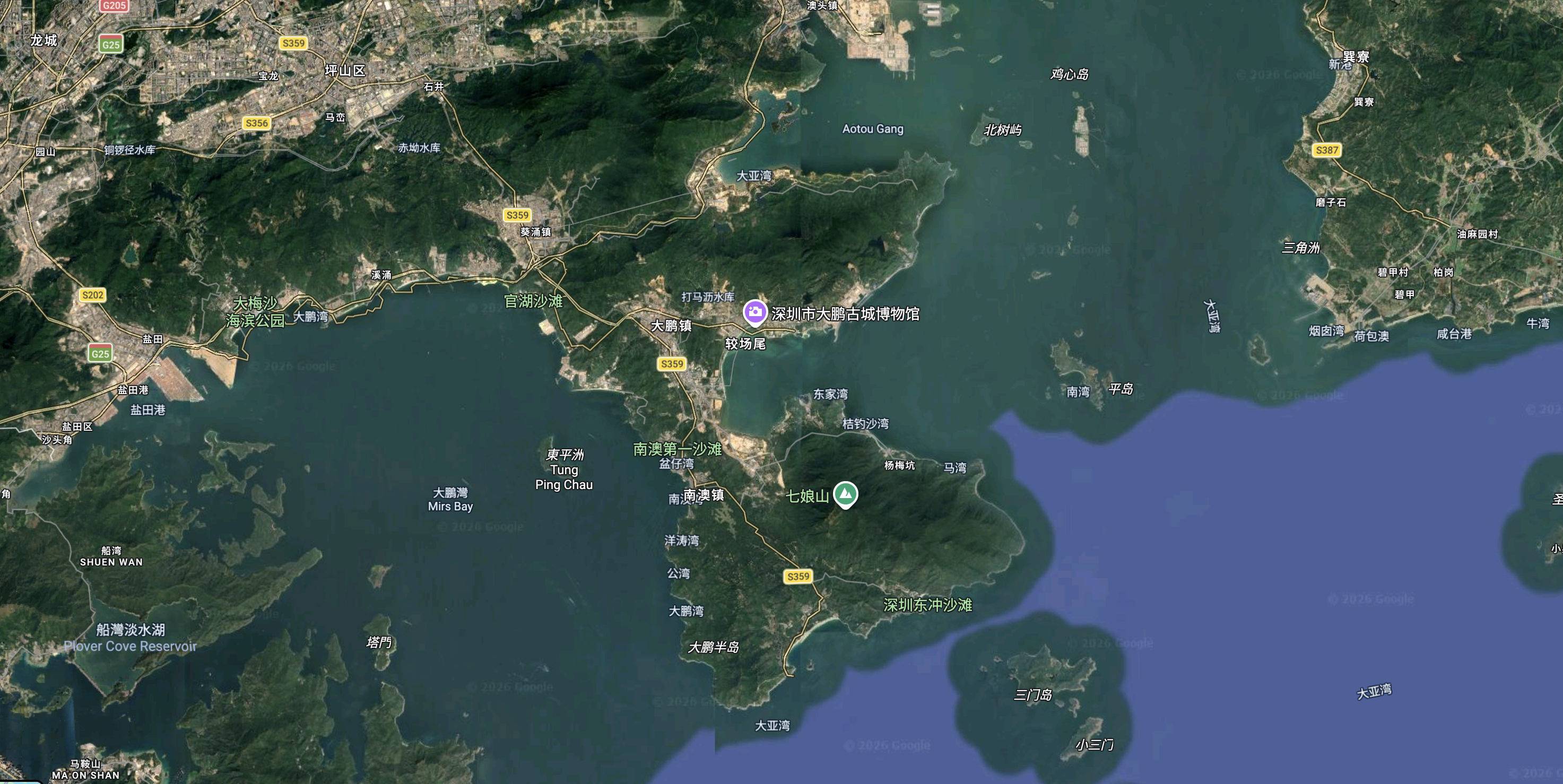
广州左卫千户张斌奉命主持筑城。他选址于大鹏岭之麓,面朝大鹏湾,背靠七娘山,依山傍海,易守难攻。整座城池耗时数年终告建成,隶属南海卫管辖,额定驻军一千一百二十名,配备战船、火器,成为扼守珠江口东侧的战略要冲。
为何是大鹏?
从军事地理角度看,大鹏所城的选址极具战略眼光:
控扼海路:位于大亚湾与大鹏湾交汇处,是粤东沿海通往广州的必经水道
山海屏障:北靠排牙山,南望香港岛,形成天然防御纵深
居高临下:城址建于缓坡之上,可俯瞰海面,敌船动向一览无余
正如清代《新安县志》所载:"内外砌以砖石,沿海所城,大鹏为最。" 这座城池从诞生之日起,就肩负着守护南疆海疆的使命。
二、金城汤池:军事堡垒的建筑智慧
整体格局:梯形城池的防御哲学
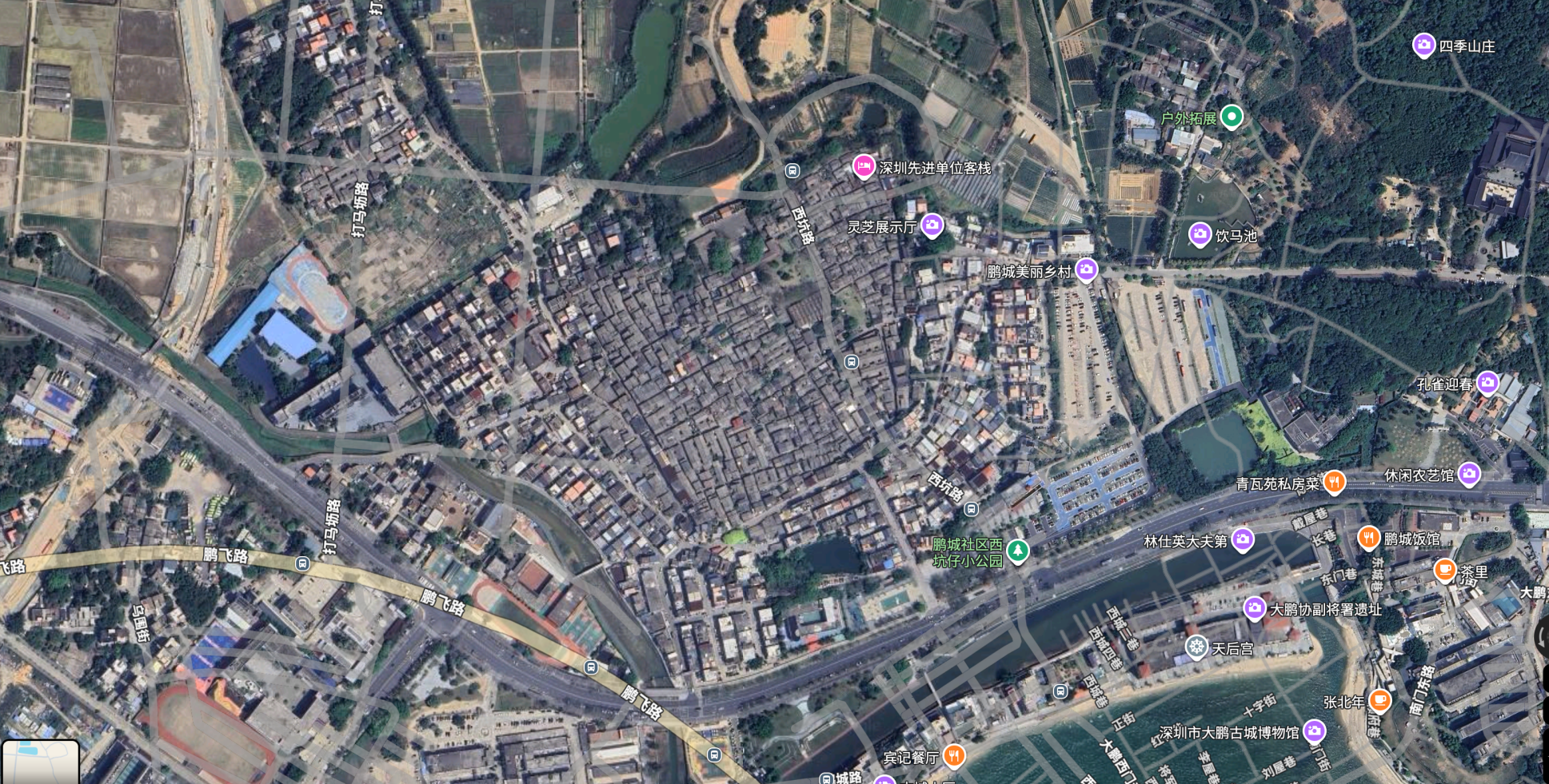
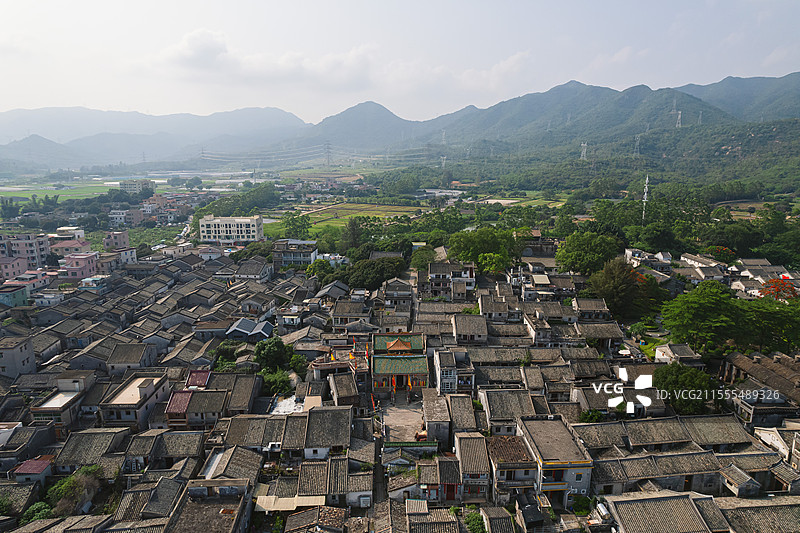
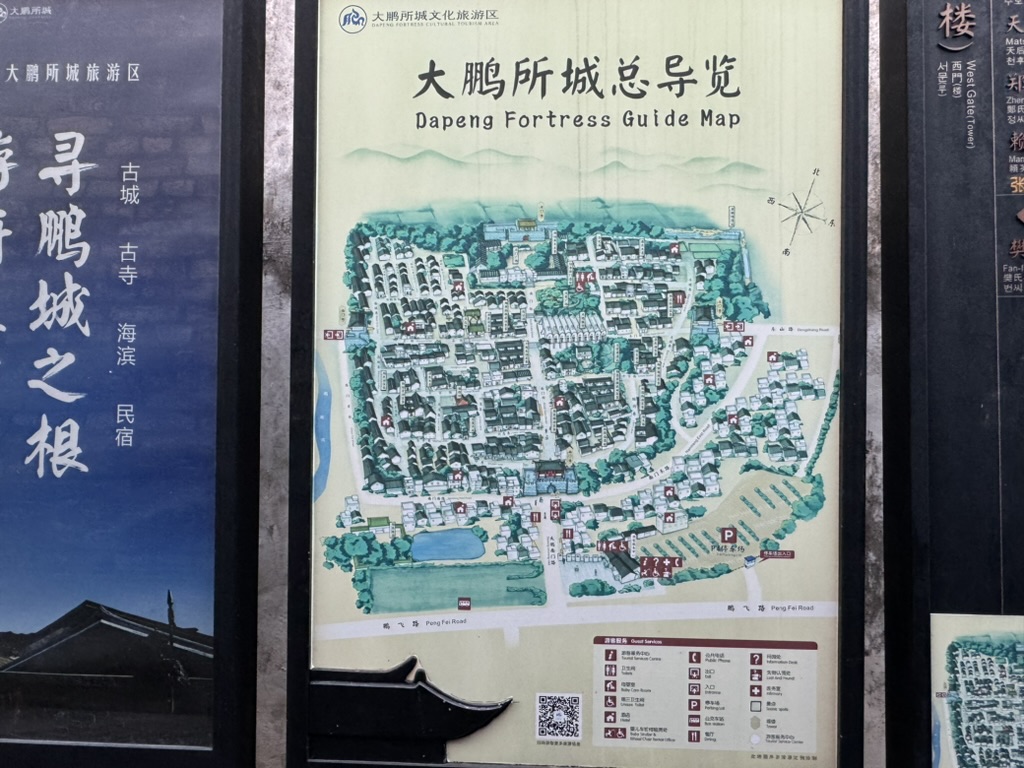
大鹏所城平面呈近梯形布局,东西宽 345 米,南北长 285 米,占地约 10 万平方米。城墙周长约 1200 米,高 6 米,墙基宽 5 米,顶面宽 2 米,以青砖和麻石交错砌筑,坚固异常。城墙上设雉堞(城垛)654 个,并辟有宽阔马道,可供兵士策马巡行。
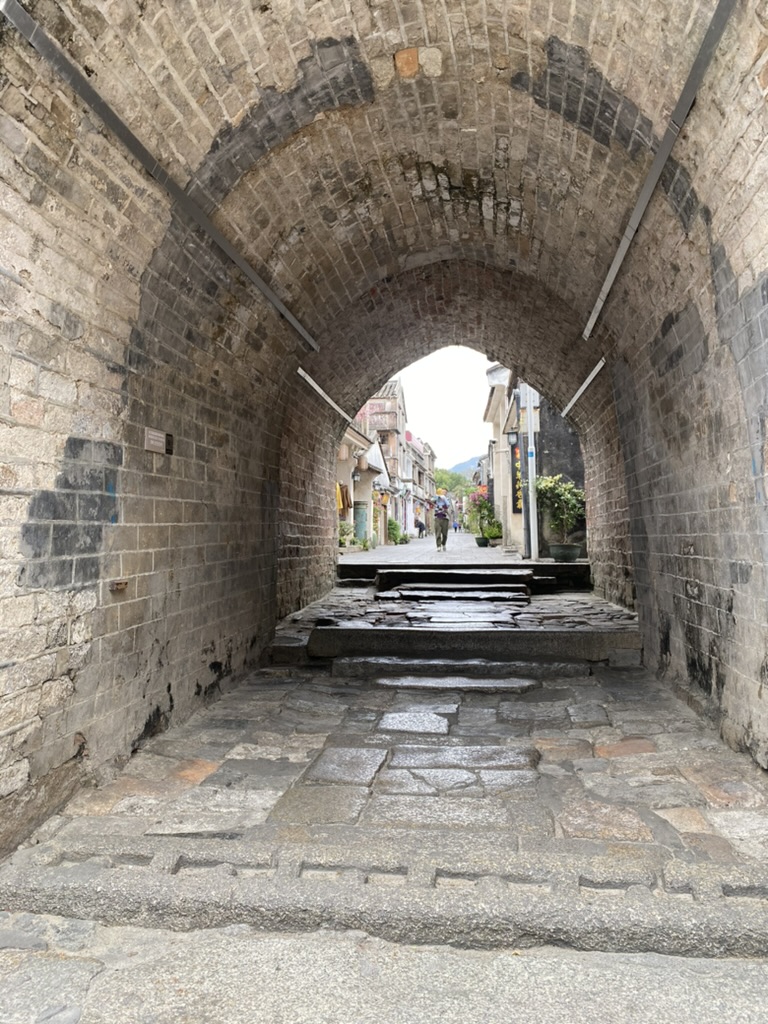
全城原设东、西、南、北四座城门,每座城门上均建有敌楼,两侧设警铺。北门因风水与军事考量,于明万历年间被堵塞封闭,遂形成三门常开的格局。城外东、西、南三面环绕一条长 1200 米、宽 5 米、深 3 米的护城濠,与山海之势共同构成立体防御体系。
街巷肌理:丁字巷的生存智慧
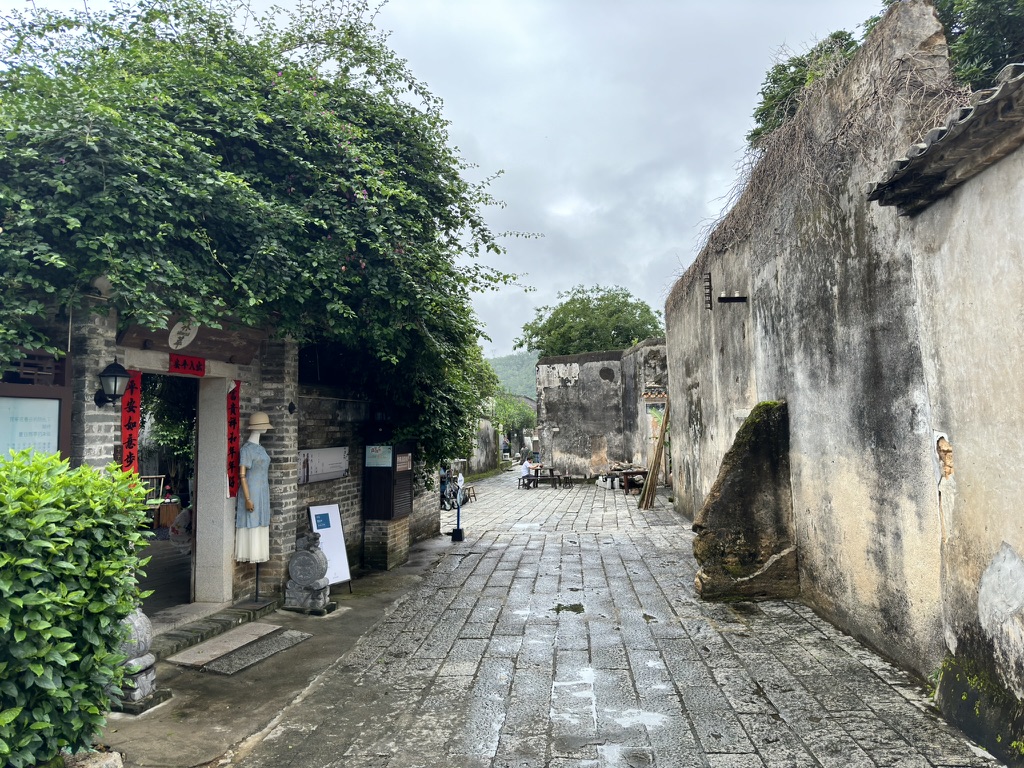
步入城内,最令人称奇的是其独特的街巷布局。全城以南门街、东门街、正街构成十字主骨架,衍生出十八条丁字巷道。这种 "通而不达" 的设计暗藏双重智慧:
军事功能:敌军突入后,每条丁字巷都是一道天然防线,便于守军分段阻击、巷战歼敌
气候适配:沿海地区台风频发,丁字巷能有效分散风力,避免穿堂风直贯全城,同时利于排水防潮
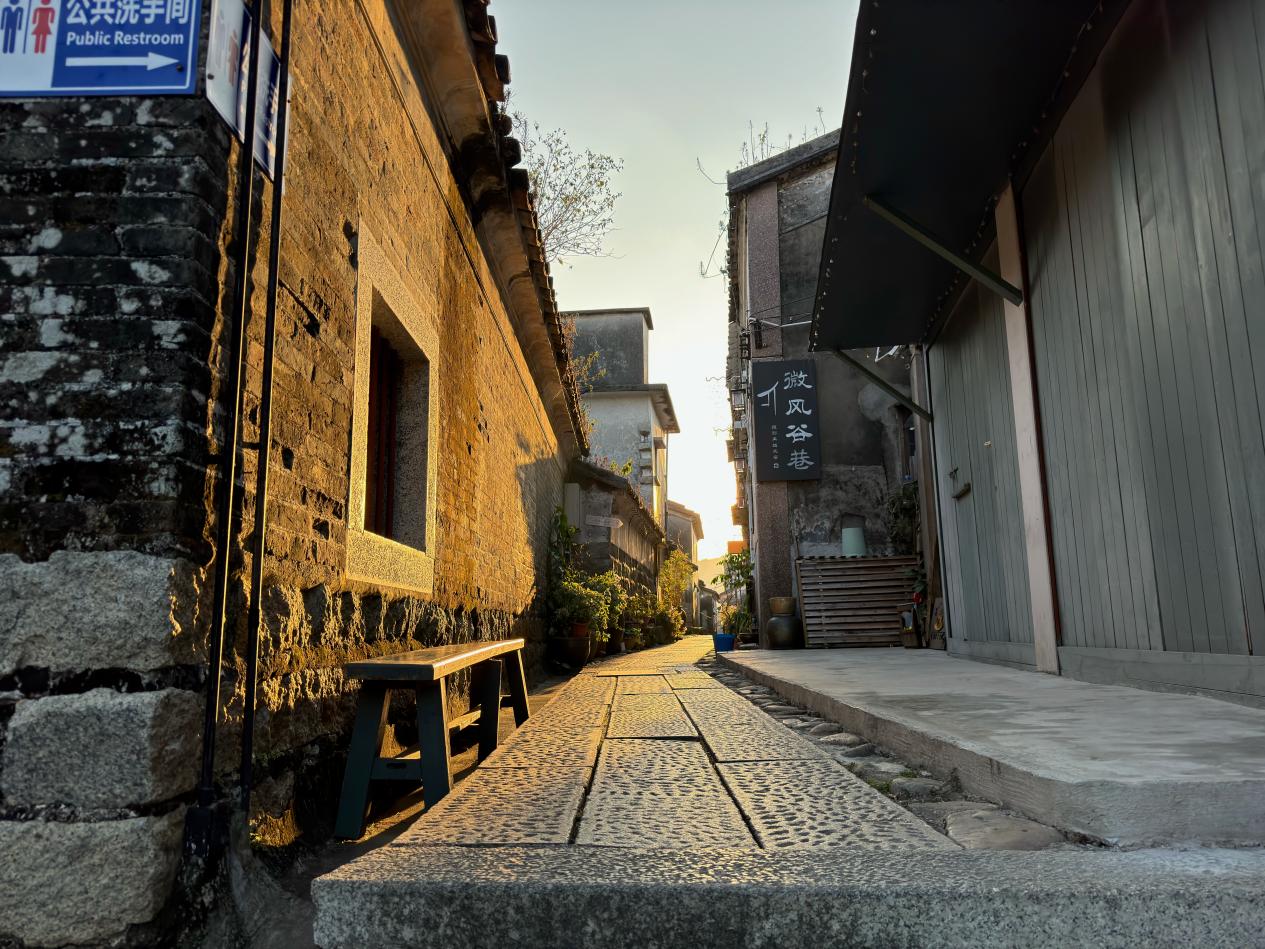
青石板路历经六百年踩踏,表面光滑如镜。街巷两侧连片分布着青砖灰瓦的岭南民居,山墙高耸,檐角飞翘,门楣木雕、窗棂石雕、墙头壁画随处可见,尽显明清岭南匠造水准。
核心建筑:府第林立的将军之城
大鹏所城最引人注目的,是城内星罗棋布的清代府第式建筑。其中最负盛名的两座将军第,堪称岭南武官建筑的典范:
振威将军第(赖恩爵府)
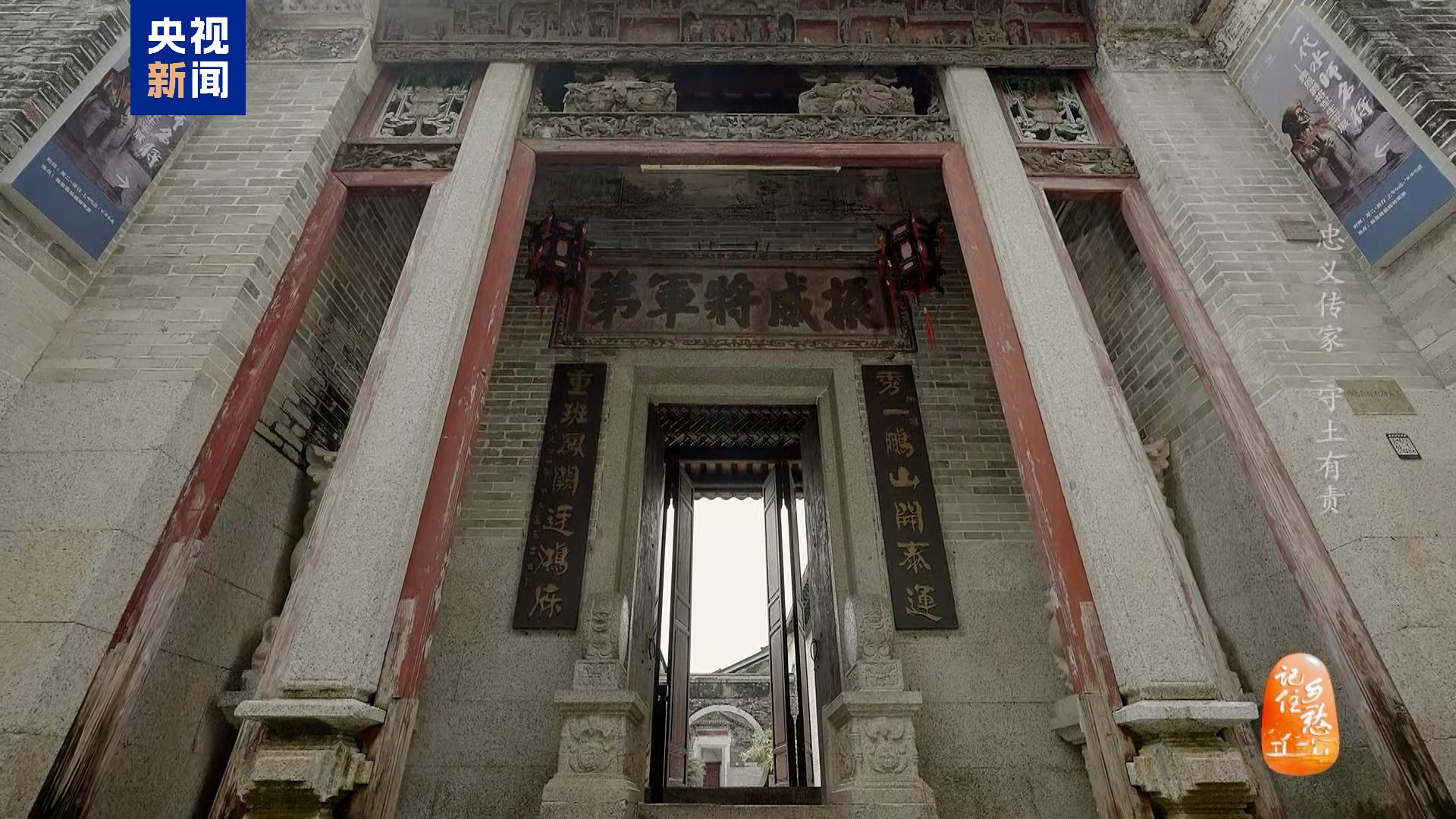
清道光年间御赐建造,占地约 2500 平方米,三进三开间,院落重重,是广东现存规模最大、保存最完好的清代武官府第之一。门额 "振威将军第" 为道光皇帝御笔亲题,厅堂梁柱、屏风门窗的雕刻与题字多保留原迹,府内还设有赖恩爵生平展陈。
刘起龙将军第
清代福建水师提督刘起龙的府邸,形制古朴典雅,木雕石刻线条细腻流畅,尽显清代中级武官宅邸的典型风貌。府内陈列着刘起龙生平事迹与清代水师兵器,生动再现了当年水师将士的戍边生活。
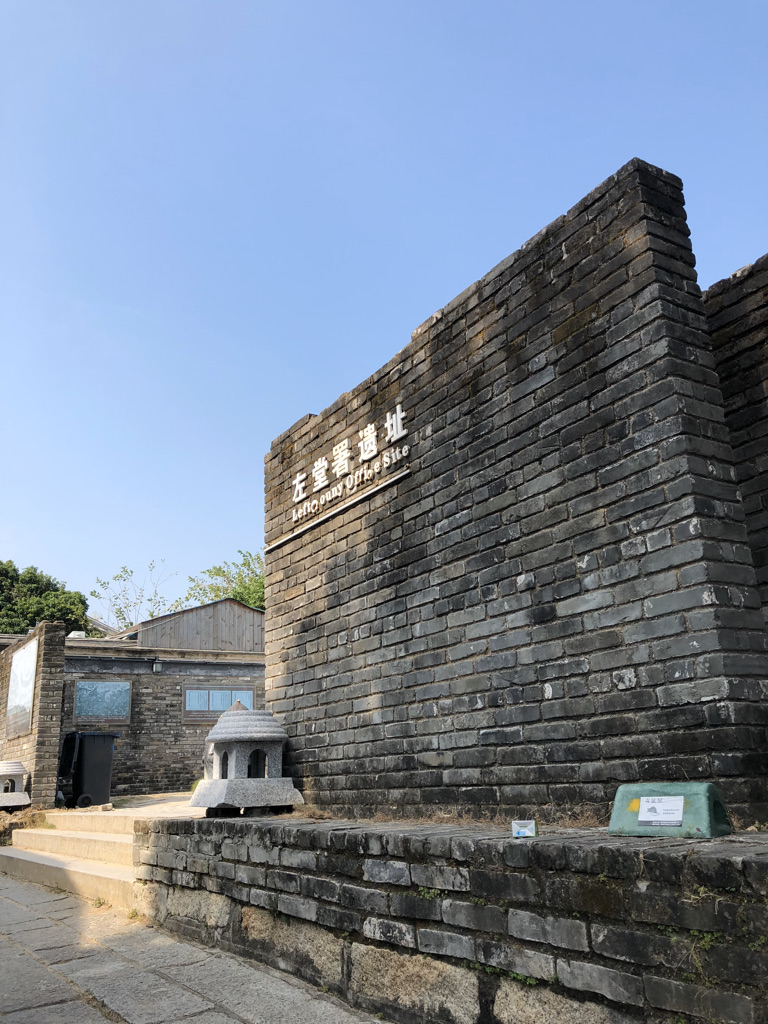
除此之外,城内还有郑氏司马第、林仕英大夫第等近十座清代府第,以及侯王古庙、天后宫、华光庙等庙宇建筑,参将署、守备署、火药局等衙署遗址散落其间,共同构成了完整的军事社会生态。
三、铁血海防:从抗倭到抗英的百年烽烟
明代:御倭戍边的前哨
有明一代,大鹏所城的主要对手是倭寇与海盗。嘉靖年间,倭寇祸乱东南,大鹏所城将士多次出海剿匪,护卫沿海商民安全。隆庆开关之后,海上贸易渐兴,大鹏所城又肩负起稽查走私、维护海疆秩序的职责。
值得一提的是,明代大鹏所城实行 "军户世袭制",军士携家带口在此屯守,亦兵亦农。这些来自天南地北的军户,带来了中原与各地的文化,与本地广府、客家、疍家文化深度交融,孕育了深圳最早的移民文化基因。
清代:鸦片战争的第一声炮响
历史的指针拨到道光十九年(公元 1839 年),大鹏所城迎来了它最高光也最沉重的时刻。
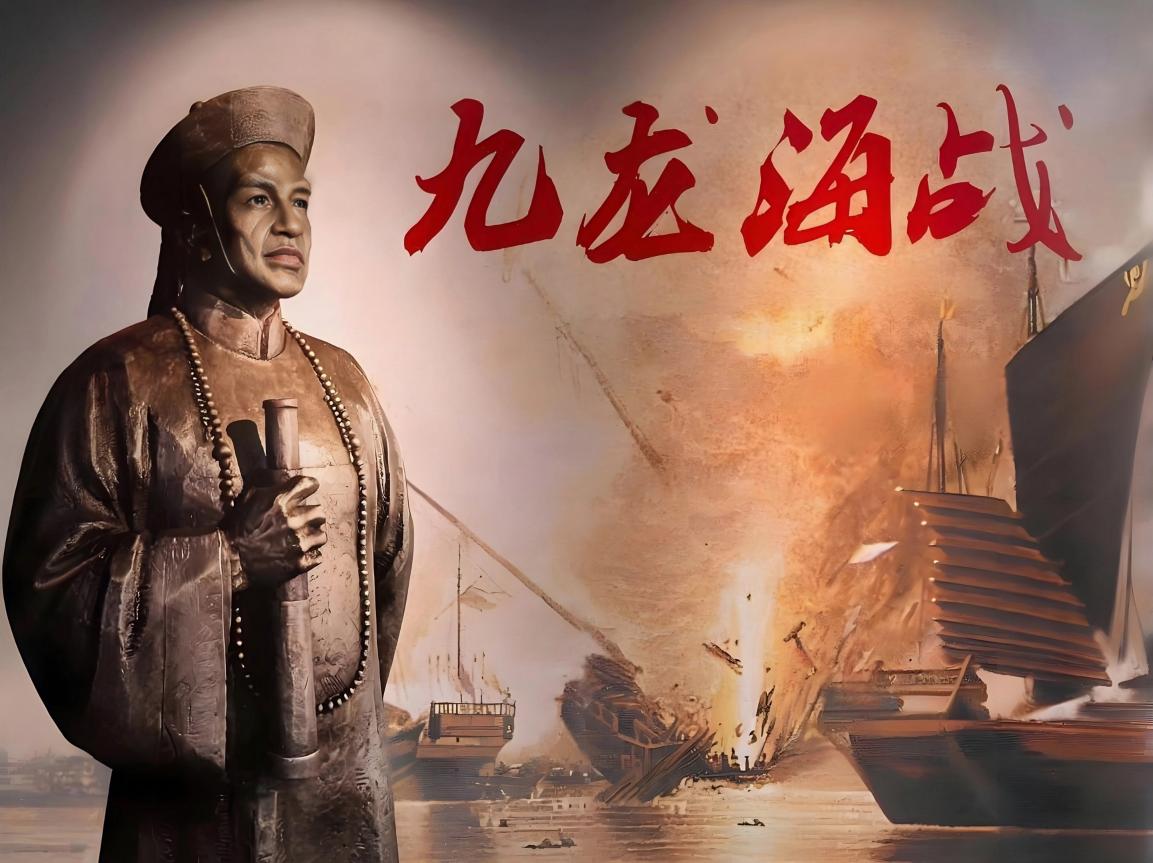
这年七月,虎门销烟的怒火尚未熄灭,英国侵略者已在九龙海面蠢蠢欲动。时任大鹏营参将的赖恩爵,奉林则徐之命率水师船三艘驻守九龙寨,严断英夷接济。9 月 4 日下午,英军五艘战舰突然向清军水师开炮挑衅,九龙海战爆发。
面对装备占优的英军,赖恩爵临危不乱,指挥水师沉着应战。炮声隆隆,硝烟弥漫,激战持续了五个小时。最终,英军遭受重创,狼狈逃窜。这一战,是中国近代史上反侵略战争的第一战,打出了中国军人的骨气与尊严。
捷报传至京城,道光皇帝龙颜大悦,钦赐赖恩爵 "呼尔察图巴图鲁"(满语,意为勇士)称号,赏戴花翎,晋级副将。此后,赖恩爵一路升迁,道光二十四年(1844 年)升任广东水师提督,接掌虎门防务,填补了关天培殉国后的空缺。
然而,个人的英勇终究难挽王朝的颓势。鸦片战争后,香港岛被割占,大鹏所城所辖海域直接成为中英对峙的最前线。这座昔日的海防重镇,见证了一个帝国的落日余晖。
四、将门风骨:赖氏 "三代五将" 的传奇
一个家族的军事史诗
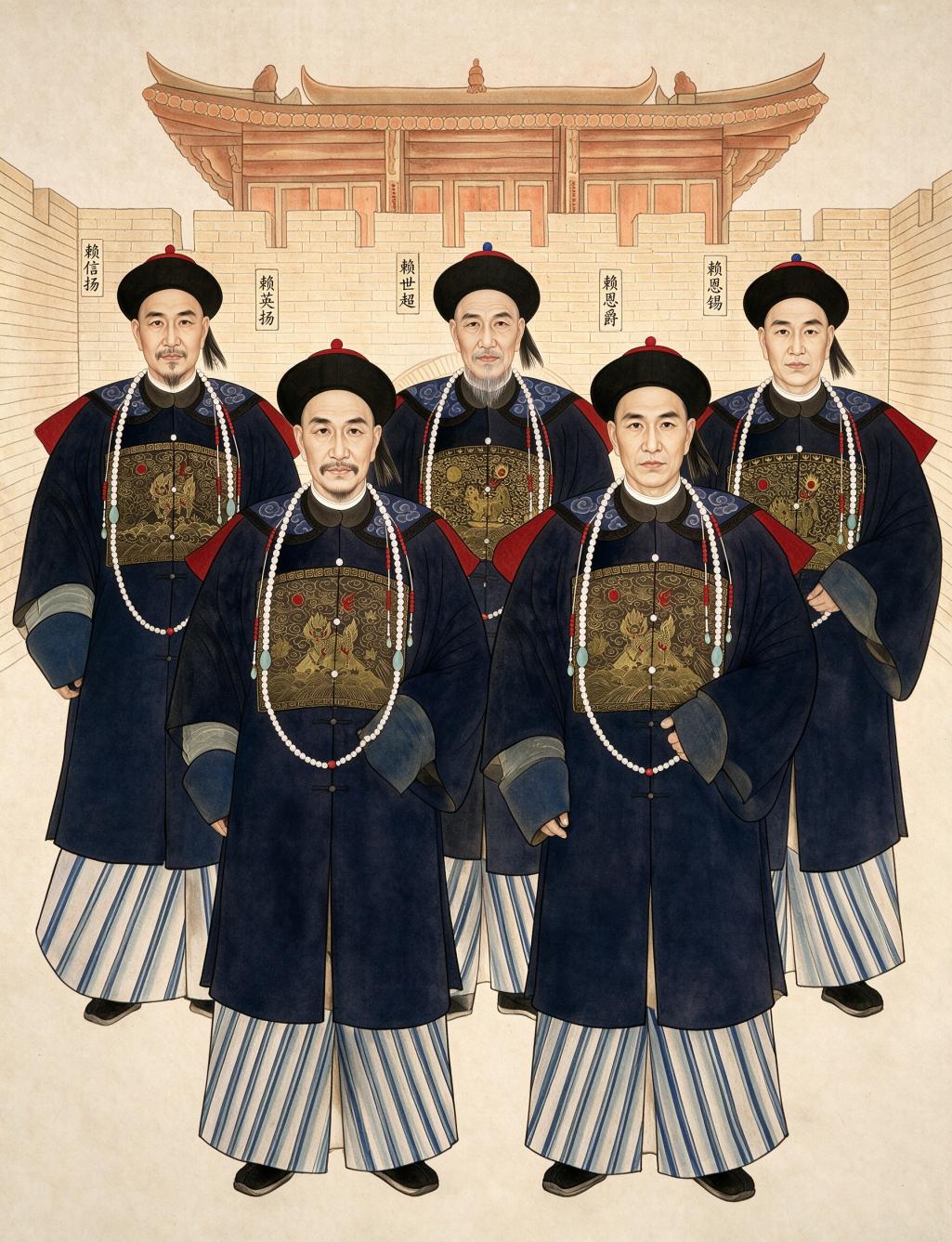
大鹏所城流传着这样一句话:"宋朝杨家将,清代赖家帮。" 赖氏家族是深圳历史上最显赫的军事世家,三代之内出了五位将军,这在中国历史上也极为罕见。
第一代:赖世超(祖父),武举人出身,官至二品都尉
第二代:赖英扬(父),浙江定海镇总兵,晋封振威将军;赖信扬(叔),福建水师提督,官至一品,封安鹭将军
第三代:赖恩爵,广东水师提督,振威将军;赖恩禄(弟),福建晋江镇镇台,将军衔
赖氏一族祖籍广东紫金,清雍正年间迁居大鹏所城,世代行伍,战功赫赫。家族子弟或驰骋海疆,或镇守边关,用热血书写了一部忠勇传家的史诗。
赖恩爵:未竟的遗愿
道光二十八年(1848 年),赖恩爵卒于任上,享年 53 岁。相传他临终前留下遗言:"吾忧朝廷腐败而忧,吾乐收回香港而乐。" 这一幕,与百余年后香港回归形成了跨越时空的回响。

1997 年香港回归前夕,赖氏后人特制 "还我祖愿" 牌匾悬挂于振威将军第内,告慰先祖英灵。一个半世纪的沧桑,从九龙海战的首胜到香港回归的圆满,这座古城与这个家族,始终与国家民族的命运紧紧相连。
群英谱:不止一座将军城
除了赖氏家族,大鹏所城还走出了众多名将:
刘起龙:福建水师提督,出身行伍,从普通水兵一路擢升至一品大员,以清廉著称
赖恩锡:赖氏族人,官至总兵
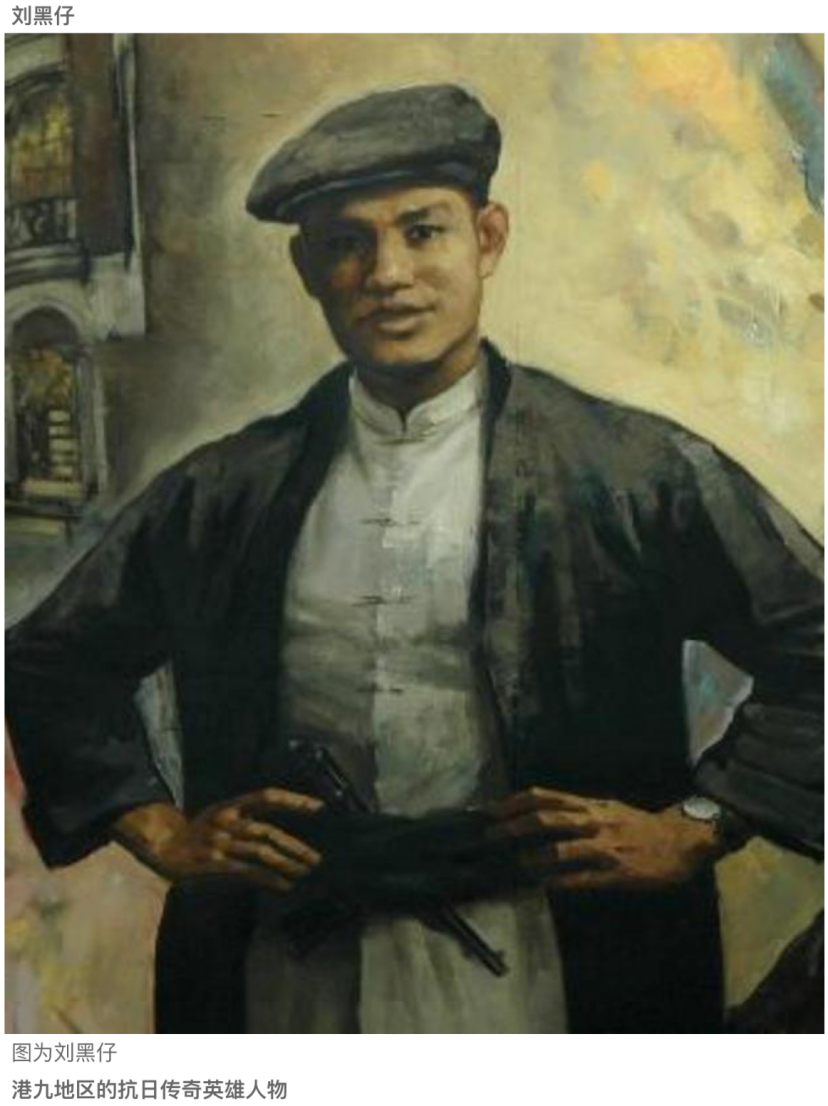
刘黑仔:抗战时期的传奇英雄,港九大队短枪队队长,威震港九
一座面积仅十万平米的小城,孕育了如此多的军事人才,堪称中国海防史上的奇观。
五、烟火人间:多元文化的交融共生
四脉交融的文化熔炉
大鹏所城不仅是一座军事堡垒,更是一个文化熔炉。六百年来,客家文化、广府文化、疍家文化、海防文化在此交汇碰撞,形成了独具特色的地域文化生态。
客家底色:城内居民多为客家后裔,客家方言、客家建筑、客家饮食构成了文化基底。振威将军第等府第建筑,本质上就是客家围屋与官府规制的结合体。
广府风韵:受广府文化影响,建筑装饰精美繁复,砖雕、灰塑、木雕工艺精湛,天后宫、侯王庙等民间信仰也带有鲜明的广府特征。
疍家风情:沿海而居的疍家文化为古城注入了海洋气息,海鲜饮食、妈祖信仰、渔歌小调都融入了日常生活。
军屯遗风:明代军户制度留下了深刻印记,如独特的 "军话" 方言、尚武传统、军事化的社区管理模式等。
非物质文化遗产的活态传承
大鹏所城孕育了多项非物质文化遗产,至今仍在这片土地上生生不息:
大鹏山歌:省级非遗,用大鹏方言演唱,曲调高亢悠扬,是客家山歌与军屯文化结合的产物
大鹏凉帽:客家妇女传统头饰,编织工艺精巧,兼具实用与审美价值
大鹏军语快板:以独特的军方言说唱,演绎历史故事与英雄事迹
大鹏婚俗:保留了传统客家婚庆的繁复礼仪与喜庆氛围
2025 年国庆期间,大鹏所城举办非遗文化展演,仅七天就吸引逾两万游客参与,新媒体传播量突破千万次。古老的非遗正以崭新的姿态走进当代生活。
古城里的日常烟火
时至今日,大鹏所城仍有原居民在此生活。清晨的石板路上,有老人慢悠悠地踱步;巷弄深处,飘出客家菜的香气;老榕树下,孩童嬉戏打闹。这座古城没有因为旅游开发而变成空壳,它依然是一个有温度、有烟火气的生活社区。
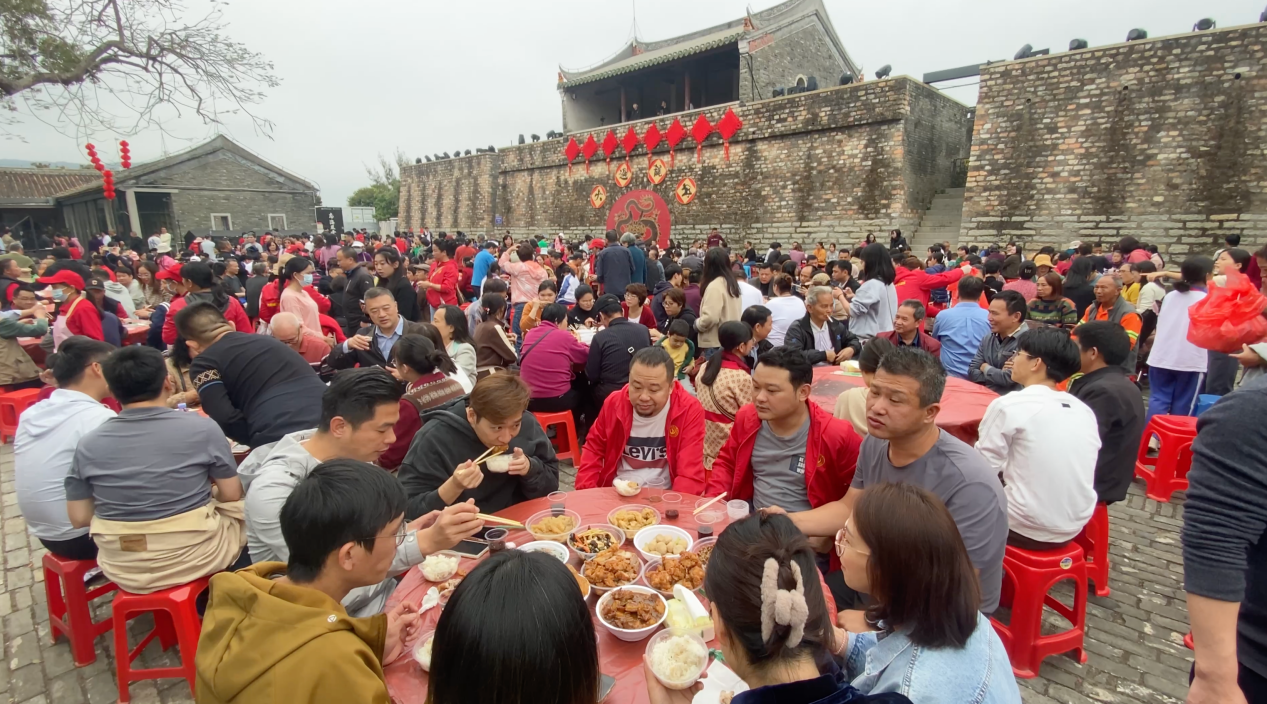
六、守护与新生:六百年古城的当代答卷
文物保护:从破败到重生
上世纪末,大鹏所城曾一度面临建筑老化、基础设施落后的困境。城墙坍塌、民居破损、巷道积水,这座六百年古城在岁月侵蚀中显得有些憔悴。
转机出现在 2001 年 —— 大鹏所城被国务院公布为全国重点文物保护单位,这是深圳首个国家级文保单位。此后,保护工作全面提速:
2003 年,鹏城村入选首批 "中国历史文化名村"
2004 年,大鹏所城获评 "深圳八景" 之首
2016 年,入选 "深圳十大文化名片"
2021 年,《鹏城村保护规划(2021—2035 年)》获广东省政府批复
活化利用:文旅融合的大鹏实践
近年来,大鹏新区探索出一条 "保护优先、活化利用、片区联动" 的发展路径。大鹏所城与一墙之隔的较场尾民宿小镇深度融合,形成 "白天逛古城、夜晚住海边" 的文旅消费闭环。
截至 2025 年,大鹏所城 — 较场尾片区年接待游客已逾 500 万人次。古城内不仅保留了原有居民生活业态,还引入了非遗工坊、文创空间、特色餐饮、戏剧展演等新型文旅场景,让历史建筑 "活" 了起来。
2025 年,大鹏所城保护性基础设施建设项目(一期)启动,计划完善消防设施、优化交通网络、建设地下停车场,进一步提升文物保护水平与游客体验。这意味着,在保护与发展的天平上,大鹏所城正在寻找更精准的平衡点。
文化地标:深圳的精神原乡
对于深圳这座年轻的城市而言,大鹏所城的意义早已超越了一座古建筑。它是深圳的 "文化之根",是 "鹏城" 之名的源头,更是这座城市历史纵深的实物见证。
很多人说深圳是 "文化沙漠",但走进大鹏所城,抚摸着六百年的城砖,聆听着抗英名将的故事,你会发现:深圳的历史,远比想象中厚重;深圳的精神,从六百年前的海防前线就已经开始铸就。
深圳大鹏所城
尾声:一座城,一个民族的海疆记忆
站在大鹏所城的南门城楼上,极目远眺:远处是碧波万顷的大鹏湾,近处是鳞次栉比的青瓦屋顶,城楼下游人如织,巷弄里炊烟袅袅。六百年的时光,仿佛在这一刻凝固。
从洪武年间的抗倭烽烟,到道光年间的九龙海战;从 "三代五将" 的忠勇传家,到今日文旅融合的生机盎然 —— 大鹏所城见证了太多历史,也承载了太多情感。
它不仅仅是一座城,更是中华民族经略海洋、守护海疆的缩影。从明代卫所制度的军事智慧,到清代将士御侮的铁血丹心;从多元文化交融的包容气度,到当代保护活化的创新实践 —— 这座六百年古城的每一次呼吸,都与时代同频共振。
夕阳西下,金色的余晖洒在斑驳的城墙上,雉堞的剪影在暮色中愈发庄严。海风拂过,仿佛还能听到当年水师操练的号角声。大鹏一日同风起,扶摇直上九万里。这座以 "鹏" 为名的古城,正以崭新的姿态,飞向更辽阔的未来。
深圳大鹏所城
大鹏新区政府官网:《大鹏所城》,https://www.dpxq.gov.cn/isz/dpfg/content/post_12305256.html
中共深圳市委统战部:《大鹏所城,一声炮响开启深港百年风云》,https://tzb.sz.gov.cn/xwzx/gzdt/tzsx/tzgz/content/post_1439692.html
中国日报网:《悠悠岭南韵,铮铮海防魂 —— 大鹏所城的前世今生》,https://sz.chinadaily.com.cn/a/202308/02/WS64c9cb95a3109d7585e47901.html
南方 +:《大鹏所城打造文物保护与片区联动发展的古城活化样板》,https://static.nfnews.com/content/202512/20/c12011617.html
深圳新闻网:《山歌韵绕古城 文旅融合谱新篇》,http://www.sznews.com/news/content/2025-10/02/content_31707312.htm
深圳市规划和自然资源局:《中国历史文化名村 深圳市大鹏新区鹏城村保护规划(2021—2035 年)》
抖音百科:《大鹏所城》《赖恩爵》条目
深圳博物馆:赖恩爵家属捐赠史料
清嘉庆《新安县志》相关记载
"Among the coastal garrison towns, Dapeng stands supreme." — Xin'an County Annals, Jiaqing reign, Qing Dynasty
In the east of Shenzhen, a metropolis famed for its "speed," nestled between the mountains and sea of the Dapeng Peninsula, stands an ancient city that has weathered more than 600 years of wind and rain. Its weathered blue bricks and towering battlements bear the marks of a magnificent epic of coastal defense. This is Dapeng Fortress (Dapeng Suocheng), the origin of Shenzhen's nickname "Pengcheng" (City of the Roc), a military stronghold hailed as a "living fossil of Ming–Qing coastal defense."
I. Hongwu's Frontier: The Birth of a Coastal Stronghold
Strategic Layout under the Guard–Company System
In the 27th year of Hongwu (1394 CE), a decree from the founding emperor Zhu Yuanzhang set in motion the construction of Dapeng Fortress. The Ming dynasty was newly established, and the southeastern coast was ravaged by Japanese pirates (wokou) and marauding bandits, with Guangdong's shores bearing the brunt. Hua Mao, Commander of the Guangdong Regional Military Commission, petitioned the court to add twenty-four guards and companies along the coast to secure the maritime frontier. The Dapeng Defense Thousand-Household Company was the most important of them all.
Zhang Bin, a Thousand-Household of the Guangzhou Left Guard, was appointed to oversee the construction. He chose a site at the foot of Dapeng Ridge, facing Dapeng Bay to the front and leaning on Qiniang Mountain to the rear—by the mountain and the sea, easy to defend and hard to attack. The walled city took several years to complete. It fell under the jurisdiction of the Nanhai Guard, with a garrison quota of 1,120 troops, equipped with warships and firearms, becoming a strategic pivot guarding the eastern side of the Pearl River Estuary.
Why Dapeng?
From a military-geographic perspective, the site of Dapeng Fortress showed remarkable strategic foresight:
Command of the sea lane: situated at the confluence of Daya Bay and Dapeng Bay, the essential waterway from the eastern Guangdong coast to Guangzhou.
Mountain–sea barrier: backed by Paiya Mountain to the north and facing Hong Kong Island to the south, forming a natural defensive depth.
Height advantage: built on a gentle slope, it overlooks the sea, leaving enemy movements in full view.
As recorded in the Qing-era Xin'an County Annals: "Faced and backed with brick and stone; among the coastal garrison towns, Dapeng stands supreme." From the day of its birth, this city shouldered the mission of guarding the southern maritime frontier.
II. An Iron Fortress: The Architectural Wisdom of a Military Bastion
Overall Layout: The Defensive Philosophy of a Trapezoidal City
Dapeng Fortress is laid out in a near-trapezoidal plan, 345 meters east–west and 285 meters north–south, covering about 100,000 square meters. The ramparts run about 1,200 meters in circumference, 6 meters high, with a 5-meter base and a 2-meter crown, built of alternating blue brick and granite—exceptionally solid. The walls carry 654 crenellations and a broad rampart walk wide enough for soldiers to patrol on horseback.
The city originally had four gates—east, west, south, and north—each surmounted by a watchtower with guard posts on either side. The north gate was walled up during the Wanli reign for fengshui and military reasons, leaving three gates in regular use. Outside the city, a moat 1,200 meters long, 5 meters wide, and 3 meters deep wraps around the east, west, and south sides, together with the mountain-and-sea terrain forming a three-dimensional defense system.
Street Fabric: The Survival Wisdom of T-shaped Alleys
Stepping inside, the most remarkable feature is its unique street layout. The city is framed by a cross of South Gate Street, East Gate Street, and Main Street, from which branch eighteen T-shaped alleys. This "connected yet unconnected" design hides a double wisdom:
Military function: once invaders broke in, each T-shaped alley became a natural line of defense, enabling the garrison to block and fight street-by-street.
Climate adaptation: along a typhoon-prone coast, the T-shaped alleys disperse wind force, avoiding straight-through gusts while aiding drainage and damp-proofing.
The blue flagstones, trodden for six hundred years, are polished smooth as a mirror. Along the alleys stand rows of Lingnan dwellings with blue brick and grey tile, high gables, and upturned eaves; carved door lintels, window lattices, and wall murals are everywhere, showcasing the craftsmanship of Ming–Qing Lingnan builders.
Core Architecture: A City of Generals' Mansions
The most striking feature of Dapeng Fortress is its scattering of Qing-dynasty official mansions. The two most celebrated generals' residences are models of Lingnan martial-official architecture:
Zhenwei General's Mansion (Residence of Lai Enjue)
Bestowed by imperial decree in the Daoguang reign, it covers about 2,500 square meters in a three-courtyard, three-bay layout with layered courtyards—one of the largest and best-preserved extant Qing martial-official mansions in Guangdong. The plaque "Zhenwei Jiangjun Di" (Mansion of the Shockingly Powerful General) was penned by the Daoguang Emperor himself; the carvings and inscriptions on the beams, screens, doors, and windows largely retain their original traces, and the mansion houses an exhibition on Lai Enjue's life.
General Liu Qilong's Mansion
The residence of Liu Qilong, Naval Commander-in-Chief of the Fujian Fleet, is of primitive elegance, its wood and stone carvings fine and fluent, exemplifying the typical style of a mid-rank Qing martial-official household. Inside are displays of Liu Qilong's life and Qing naval weaponry, vividly recreating the frontier life of the naval soldiers of those years.
In addition, the city holds nearly ten Qing mansions such as the Zheng Family's Sima Mansion and Lin Shiying's Dahfu Mansion, as well as temples like the Marquis King Temple, the Tianhou (Mazu) Palace, and the Huaguang Temple. Remains of yamen offices—the Assistant Regional Commander's headquarters, the Guard Captain's office, and the gunpowder bureau—are scattered throughout, together forming a complete military-social ecosystem.
III. Blood and Iron: A Century of Coastal Defense from Anti-Pirate to Anti-British War
The Ming: Outpost Against Wokou and Frontier Garrison
Throughout the Ming, the main foes of Dapeng Fortress were Japanese pirates and marauders. During the Jiajing reign, as wokou ravaged the southeast, the garrison sailed out repeatedly to suppress bandits and protect coastal merchants and civilians. After the Longqing opening of maritime trade, as sea commerce flourished, Dapeng Fortress took on the duties of smuggling interdiction and maintaining maritime order.
Worth noting: the Ming implemented a "hereditary military household" system at Dapeng Fortress—soldiers settled here with their families, both soldiers and farmers. These military households, coming from all corners of the realm, brought Central Plains and regional cultures that blended deeply with the local Cantonese, Hakka, and Tanka cultures, giving birth to Shenzhen's earliest immigrant-cultural gene.
The Qing: The First Cannon Shot of the Opium War
The clock of history moved to the 19th year of Daoguang (1839 CE), when Dapeng Fortress met its most glorious yet heaviest moment.
That July, the fires of the Humen opium destruction had not yet died down when British invaders began stirring in the waters off Kowloon. Lai Enjue, then Lieutenant Colonel of the Dapeng Battalion, was ordered by Lin Zexu to station three naval vessels at Kowloon Fort to strictly cut off British supplies. On the afternoon of September 4, five British warships suddenly opened fire on the Qing naval forces, provoking the Battle of Kowloon.
Facing better-equipped British troops, Lai Enjue kept his composure and commanded the navy with calm resolve. Cannon roared and smoke filled the air as the fierce fighting lasted five hours. In the end, the British suffered heavy losses and fled in disarray. This battle was the first engagement of the anti-aggression wars in modern Chinese history, striking a blow for the honor and dignity of Chinese soldiers.
When the victory reached the capital, the Daoguang Emperor was overjoyed and bestowed on Lai Enjue the title "Hurcatu Baturu" (Manchu for "warrior"), granted the peacock feather, and promoted him to deputy general. Thereafter Lai rose steadily, and in the 24th year of Daoguang (1844) was appointed Naval Commander-in-Chief of the Guangdong Fleet, taking charge of Humen's defenses, filling the vacancy left by Guan Tianpei's death.
Yet individual bravery could not reverse the dynasty's decline. After the Opium War, Hong Kong Island was ceded, and the waters under Dapeng Fortress' jurisdiction became the front line of the Sino-British standoff. This once-mighty coastal stronghold witnessed the afterglow of an empire's sunset.
IV. The Spirit of a Martial Clan: The Legend of the Lai Family's "Three Generations, Five Generals"
A Family's Military Epic
A saying circulates in Dapeng Fortress: "The Yang family generals of the Song; the Lai family champions of the Qing." The Lai clan was Shenzhen's most illustrious military family, producing five generals within three generations—a rarity even in Chinese history.
First generation: Lai Shichao (grandfather), a military juren, rose to the rank of second-grade defender.
Second generation: Lai Yingyang (father), Brigade General of the Zhejiang Dinghai garrison, elevated to Zhenwei General; Lai Xinyang (uncle), Naval Commander-in-Chief of Fujian, rose to first grade, titled Anlu General.
Third generation: Lai Enjue, Naval Commander-in-Chief of Guangdong, Zhenwei General; Lai Enlu (younger brother), garrison commander of Jinjiang, Fujian, with the rank of general.
The Lai clan, originally from Zijin, Guangdong, moved to Dapeng Fortress during the Yongzheng reign, serving in the military for generations with illustrious merit. Clan members rode the maritime frontier or guarded the borders, writing an epic of loyalty and valor passed down through the family.
Lai Enjue: An Unfulfilled Wish
In the 28th year of Daoguang (1848), Lai Enjue died in office at the age of 53. Legend holds he left a last wish: "I grieve for the corruption of the court; I rejoice at the recovery of Hong Kong." This echoes across time with the handover of Hong Kong more than a century later.
On the eve of Hong Kong's 1997 return, Lai descendants specially made a plaque reading "Fulfilling Our Ancestors' Wish" and hung it in the Zhenwei General's Mansion to comfort the spirits of their forebears. Across a century and a half—from the first victory at the Battle of Kowloon to the triumphant return of Hong Kong—this ancient city and this family have remained tightly bound to the fate of the nation.
A Roll of Honor: More Than a City of Generals
Beyond the Lai clan, Dapeng Fortress produced many renowned commanders:
Liu Qilong: Naval Commander-in-Chief of Fujian, rose from the ranks from ordinary sailor to first-grade official, known for his integrity.
Lai Enxi: a Lai clansman, rose to Brigade General.
Liu Heizi: a legendary hero of the War of Resistance, captain of the Short-Gun Team of the Hong Kong–Kowloon Brigade, feared throughout Hong Kong and Kowloon.
A small city of merely 100,000 square meters nurturing so many military talents is a marvel in the history of China's coastal defense.
V. Human Warmth: The Blending of Diverse Cultures
A Cultural Crucible of Four Lineages
Dapeng Fortress is not only a military bastion but also a cultural crucible. For six hundred years, Hakka, Cantonese, Tanka, and coastal-defense cultures have met and collided here, forming a distinctive regional cultural ecology.
Hakka foundation: most townsfolk are Hakka descendants; Hakka dialect, Hakka architecture, and Hakka cuisine form the cultural base. Mansions such as the Zhenwei General's Mansion are essentially fusions of Hakka walled houses and official regulations.
Cantonese charm: influenced by Cantonese culture, architectural ornament is exquisite and elaborate—fine brick carving, lime sculpting, and wood carving; folk beliefs such as the Tianhou Palace and Marquis King Temple bear distinct Cantonese traits.
Tanka flavor: the seaside Tanka culture infused the old city with a marine aura—seafood cuisine, Mazu worship, and fishing songs entered daily life.
Military-settlement legacy: the Ming military-household system left deep marks, such as the unique "military speech" dialect, a martial tradition, and a militarized community management model.
The Living Inheritance of Intangible Cultural Heritage
Dapeng Fortress has nurtured several items of intangible cultural heritage that still thrive on this land:
Dapeng mountain songs: a provincial ICH, sung in the Dapeng dialect, with high, stirring melodies—a product of Hakka mountain songs fused with military-settlement culture.
Dapeng cool hats: traditional headwear of Hakka women, finely woven, both practical and aesthetic.
Dapeng military-speech clapper talk: performed in the unique military dialect, recounting historical tales and heroic deeds.
Dapeng wedding customs: preserving the elaborate rites and festive atmosphere of traditional Hakka weddings.
During the 2025 National Day holiday, Dapeng Fortress held an ICH cultural showcase that drew over 20,000 visitors in just seven days, with new-media reach exceeding ten million. Ancient heritage is entering contemporary life with a new posture.
Everyday Warmth within the Old City
To this day, original residents still live in Dapeng Fortress. On the flagstone path at dawn, elderly people stroll leisurely; deep in the alleys, the aroma of Hakka cuisine drifts out; under old banyan trees, children play. The ancient city has not become a hollow shell through tourism development—it remains a living community with warmth and everyday vitality.
VI. Guardianship and Rebirth: The Contemporary Answer of a Six-Hundred-Year-Old City
Heritage Protection: From Decay to Rebirth
At the end of the last century, Dapeng Fortress faced dilapidated buildings and backward infrastructure. Collapsing walls, damaged dwellings, and waterlogged alleys left the six-hundred-year-old city looking somewhat weary under the erosion of time.
The turning point came in 2001—Dapeng Fortress was declared a Major Historical and Cultural Site Protected at the National Level by the State Council, Shenzhen's first national-level heritage protection unit. Thereafter, protection accelerated:
2003: Pengcheng Village was selected among the first batch of "Famous Historical and Cultural Villages of China."
2004: Dapeng Fortress topped the "Eight Scenes of Shenzhen."
2016: selected as one of the "Ten Cultural Cards of Shenzhen."
2021: the "Pengcheng Village Conservation Plan (2021–2035)" was approved by the Guangdong provincial government.
Adaptive Reuse: Dapeng's Practice of Culture–Tourism Integration
In recent years, the Dapeng New District has explored a development path of "protection first, adaptive reuse, and area coordination." Dapeng Fortress and the adjacent Jiaochangwei homestay town have deeply integrated, forming a culture–tourism consumption loop of "explore the ancient city by day, stay by the sea by night."
By 2025, the Dapeng Fortress–Jiaochangwei area receives over 5 million visitors a year. Within the old city, original residential life is preserved, while new cultural-tourism scenes—ICH workshops, creative spaces, specialty dining, and theatrical performances—have been introduced, bringing the historic buildings "back to life."
In 2025, the first phase of Dapeng Fortress's protective infrastructure project launched, planning to improve fire facilities, optimize transport networks, and build underground parking, further raising the level of heritage protection and visitor experience. This means that on the scale of protection and development, Dapeng Fortress is seeking a more precise balance.
A Cultural Landmark: Shenzhen's Spiritual Homeland
For Shenzhen, a young city, the significance of Dapeng Fortress far exceeds an old building. It is Shenzhen's "cultural root," the origin of the name "Pengcheng," and a tangible witness to the city's historical depth.
Many say Shenzhen is a "cultural desert," yet stepping into Dapeng Fortress, touching its six-hundred-year-old bricks and listening to the tales of anti-British generals, you discover: Shenzhen's history is far heavier than imagined; Shenzhen's spirit began to be forged at the coastal front six hundred years ago.
Coda: A City, a Nation's Memory of Its Maritime Frontier
Standing atop the South Gate tower of Dapeng Fortress and gazing into the distance: beyond lies the vast expanse of Dapeng Bay; nearby, rows of grey-tiled roofs; below the tower, tourists throng; in the alleys, wisps of cooking smoke rise. Six hundred years of time seem to crystallize in this moment.
From the anti-wokou fires of the Hongwu years to the Battle of Kowloon in the Daoguang era; from the loyal legacy of "three generations, five generals" to today's vibrant culture–tourism fusion—Dapeng Fortress has witnessed too much history and borne too much emotion.
It is not merely a city, but a microcosm of the Chinese nation's management of the seas and guardianship of its maritime frontier. From the military wisdom of the Ming guard–company system to the iron resolve of Qing soldiers against invasion; from the inclusive breadth of diverse cultural blending to the innovative practice of contemporary protection and reuse—every breath of this six-hundred-year-old city resonates with the times.
As the sun sets, golden afterglow falls on the mottled ramparts, and the silhouette of the crenellations grows ever more solemn in the dusk. A sea breeze passes, as if the bugle of the old navy's drills could still be heard. "The roc rises with a single day's wind, soaring ninety thousand li." This ancient city named for the "roc" is, with a brand-new posture, flying toward an even broader future.
Sources:
Dapeng New District Government: "Dapeng Fortress" — https://www.dpxq.gov.cn/isz/dpfg/content/post_12305256.html
United Front Work Department of Shenzhen Municipal Party Committee: "Dapeng Fortress: A Cannon Shot That Opened a Century of Shenzhen–Hong Kong Turmoil" — https://tzb.sz.gov.cn/xwzx/gzdt/tzsx/tzgz/content/post_1439692.html
China Daily: "Lingering Lingnan Charm, Unyielding Coastal-Defense Soul—The Past and Present of Dapeng Fortress" — https://sz.chinadaily.com.cn/a/202308/02/WS64c9cb95a3109d7585e47901.html
Nanfang Plus: "Dapeng Fortress Forges a Model of Heritage Protection and Area-Coordinated Revitalization" — https://static.nfnews.com/content/202512/20/c12011617.html
Shenzhen News Network: "Mountain Songs Echo the Old City, Culture–Tourism Fusion Writes a New Chapter" — http://www.sznews.com/news/content/2025-10/02/content_31707312.htm