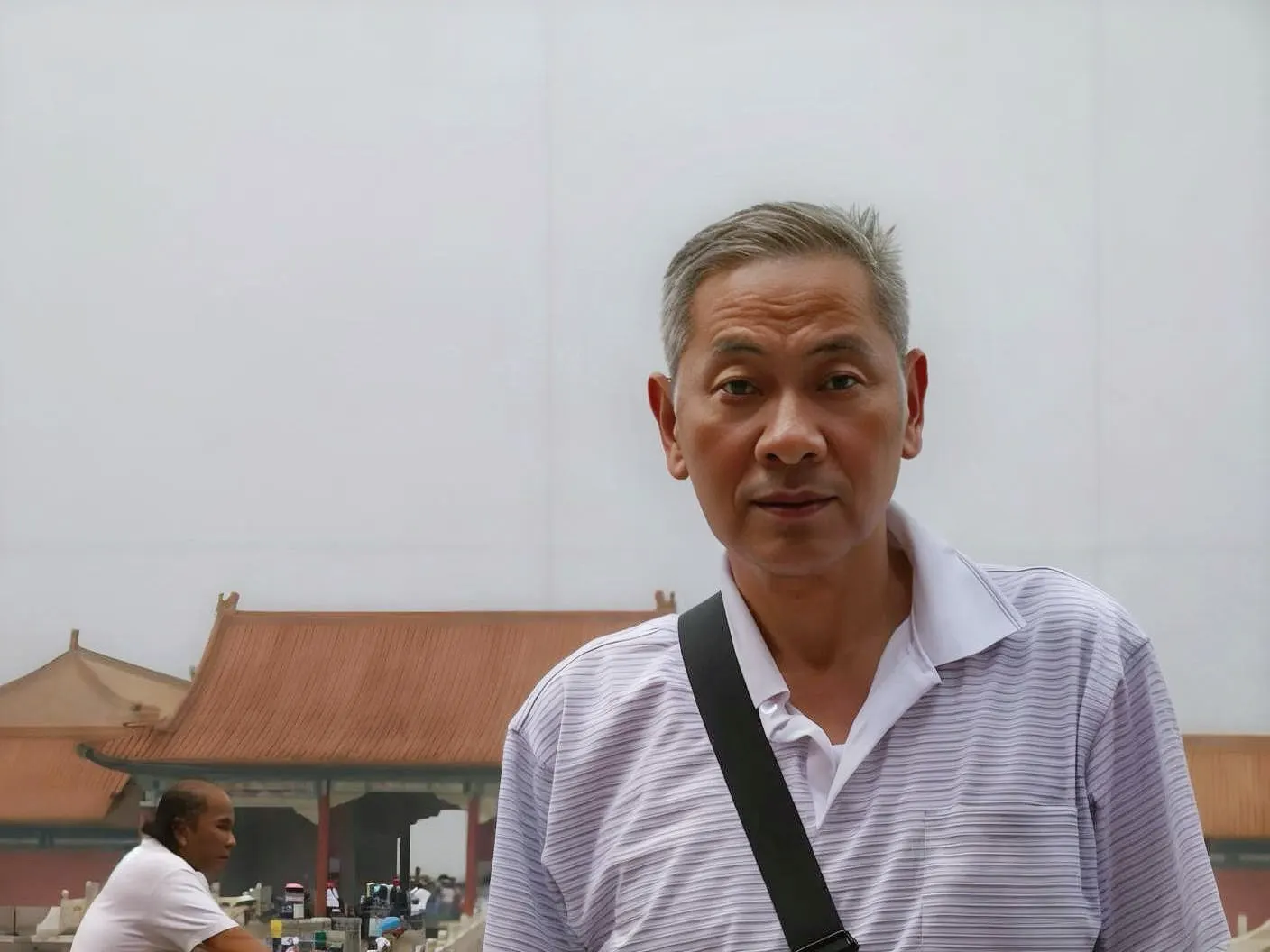
赖孟柱(1943年10月-2023年1月),深圳市大鹏新区鹏城村人,抗英名将赖恩爵四代孙。曾任深圳市大鹏镇鹏城村村委会主任、深圳鹏城赖氏宗亲会理事副会长。他生于将军故里,长于所城垣下,一生扎根乡土、服务桑梓,以村主任的担当造福百姓,以宗亲会副会长的热忱凝聚族人,以"守城人"的坚守护卫家园,被乡邻尊称为大鹏古城最后的"守城人"。
一、忠义血脉:抗英名将四代孙的家国传承
鹏城村坐落于大鹏半岛,始建于明洪武二十七年(1394年),是全国首批、深圳唯一的"中国历史文化名村"。明清两代,大鹏所城涌现出十多位将军,鹏城村因此赢得"将军村"美誉。而赖氏家族"三代五将",更有"宋朝杨家将,清代赖家邦"之谓。
赖孟柱的太高祖赖恩爵,是鸦片战争时期著名的抗英名将。1839年,赖恩爵率水师在官涌海战中痛击英国侵略者,取得九龙之战的胜利,后被晋升为振威将军。他在中英交涉中力主抗英、不屈外侮,以一介武将之身,捍卫了国家海疆与民族尊严。这份"文官愿为清史瘦,武官敢当沙场卒"的忠勇气节,深深镌刻在赖氏家族的基因里。
作为赖恩爵的四代孙,赖孟柱自幼在振威将军第的廊庑间长大,听先祖的抗英故事,读家族的家训格言。"岗不离守,守不离纲"——这八个字不仅是赖氏先祖戍守海疆的军令,更是他一生践行的行为准则。生于将军故里,长于忠义之门,他没有躺在先祖的功勋簿上,而是将这份家国情怀转化为对乡土的深情守护,用一生诠释了"守土有责"四个字的分量。
二、时代抉择:逃港潮中的留守者
二十世纪五十年代至七十年代,深圳地区曾多次出现大规模逃港潮。毗邻香港的大鹏半岛,不少村民为谋求生计,选择越过边境前往香港。在那个物质匮乏、出路狭窄的年代,离开,似乎是一种理性的选择。
然而,赖孟柱却选择了留下。
面对汹涌的逃港潮和生存的压力,他不是没有机会离开——先祖的后人、乡里的能人,在哪里都能闯出一条路。但他更清楚自己肩上的责任:这里是先祖赖恩爵战斗过的地方,是赖氏世代居住的家园,是大鹏所城六百余年的城墙根下。"守土有责"不仅是赖氏家训,更是他毕生的信念。
在那个年代选择留下,需要的不仅是勇气,更是一种对家乡的深情与担当。他用自己的选择,回答了一个朴素的问题:当大多数人都在向外走的时候,谁来守护这片土地?赖孟柱用一生给出了答案——他,留下来了。从青春到暮年,未曾离开,被乡人尊为古城的"守城人"。
三、主政为民:十二年村主任的务实担当
赖孟柱曾担任鹏城村村委会主任,一干就是十二年。十二年,在一个人的生命里不算短;在一个村庄的发展史上,更是足以改变面貌的一段时光。
在任期间,他兢兢业业,事必躬亲,始终把村民的生产生活放在心上。改革开放初期,鹏城村面临着从传统农耕向现代转型的关键节点。他以务实作风,推动村落基础设施建设,修路、引水、通电,一点一滴改善着村民的生活条件;他着眼长远,发展集体经济,为鹏城村在改革开放后的发展转型奠定了坚实基础。
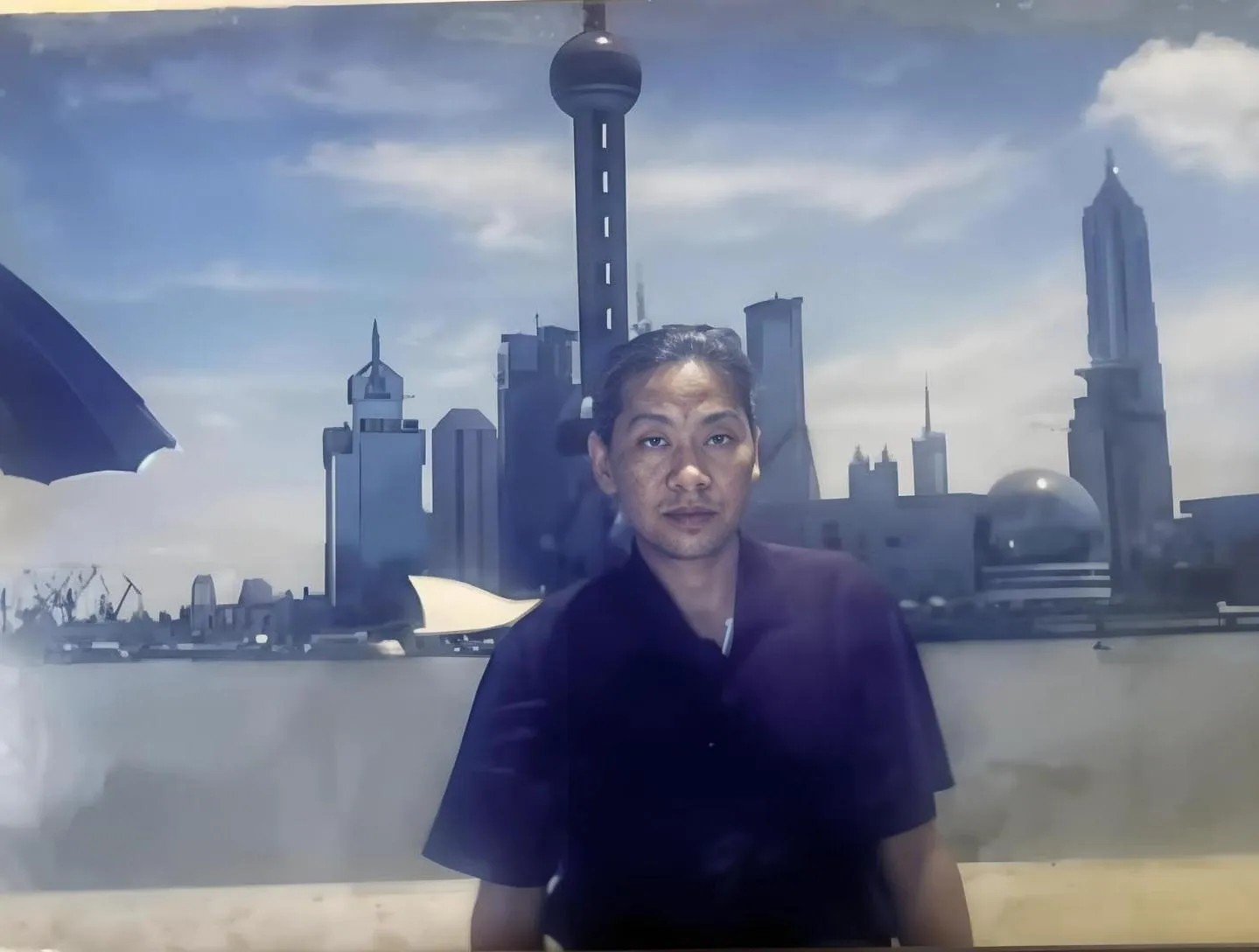
他不尚空谈,只办实事。村民们记得,哪家有困难,第一个想到的就是找孟柱主任;哪条路要修、哪口水井要清,他总是带头走在前面。十二载春秋,他用脚步丈量了鹏城村的每一寸土地,用真心换来了村民的信赖与尊敬。他是村民心中真正的"当家人"——不是坐在办公室里的干部,而是站在田埂上、走在村巷里、跟乡亲们同甘共苦的自家人。
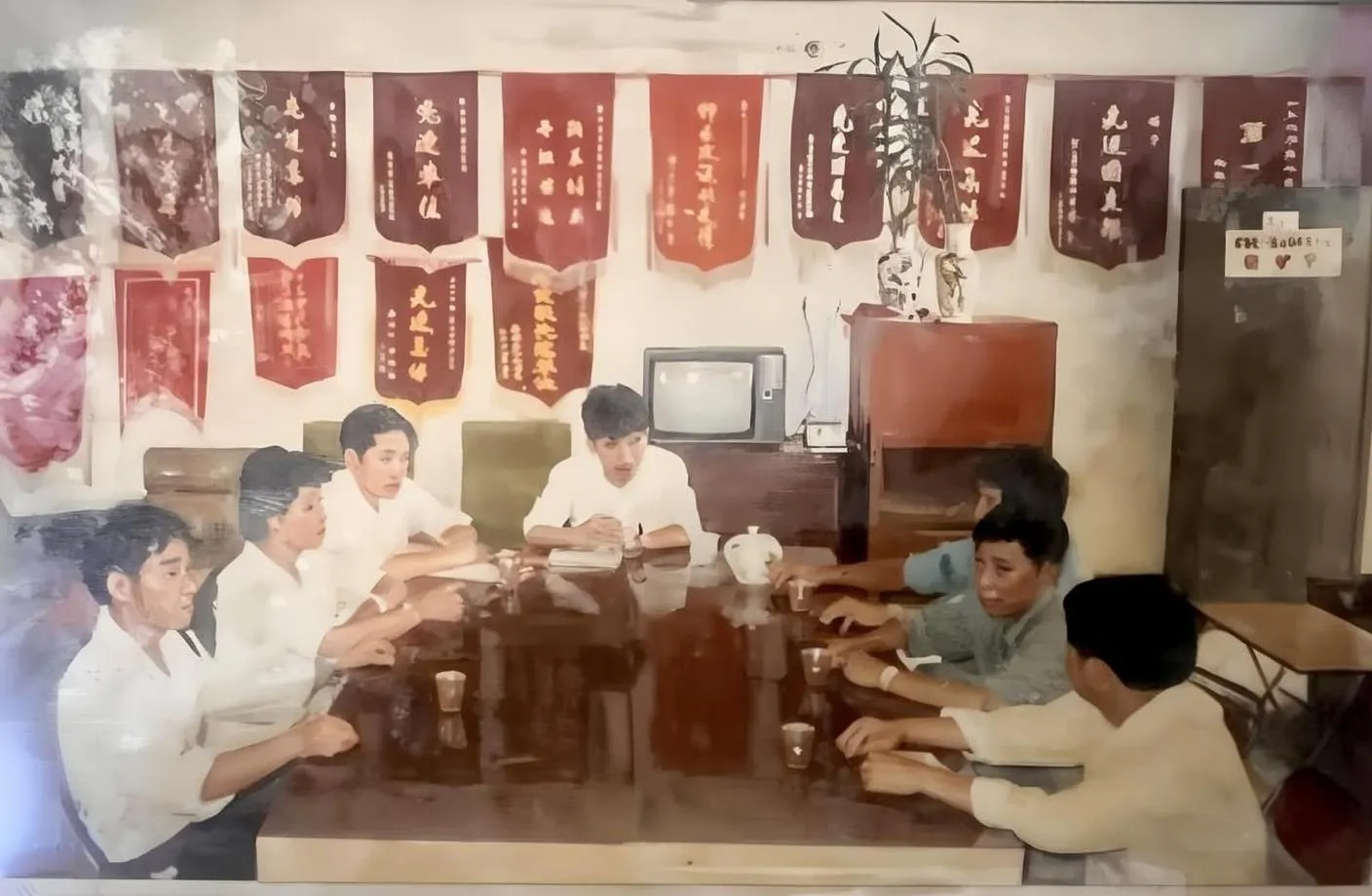
四、凝心聚力:宗亲会的无私奉献
作为赖氏后人,赖孟柱对家族文化怀有深厚情感。他担任鹏城赖氏宗亲会理事副会长期间,把全部热忱投入到宗亲联谊和文化传承的事业中。
大鹏所城的赖氏宗亲,从这里走向海内外。有的在香港,有的在东南亚,有的远渡重洋到了欧美。但无论走多远,根都在鹏城村。赖孟柱积极联络海内外宗亲,一封封信、一次次电话,把散落在各地的赖氏后人重新凝聚起来。他常说:"血脉相连,根不能断。"
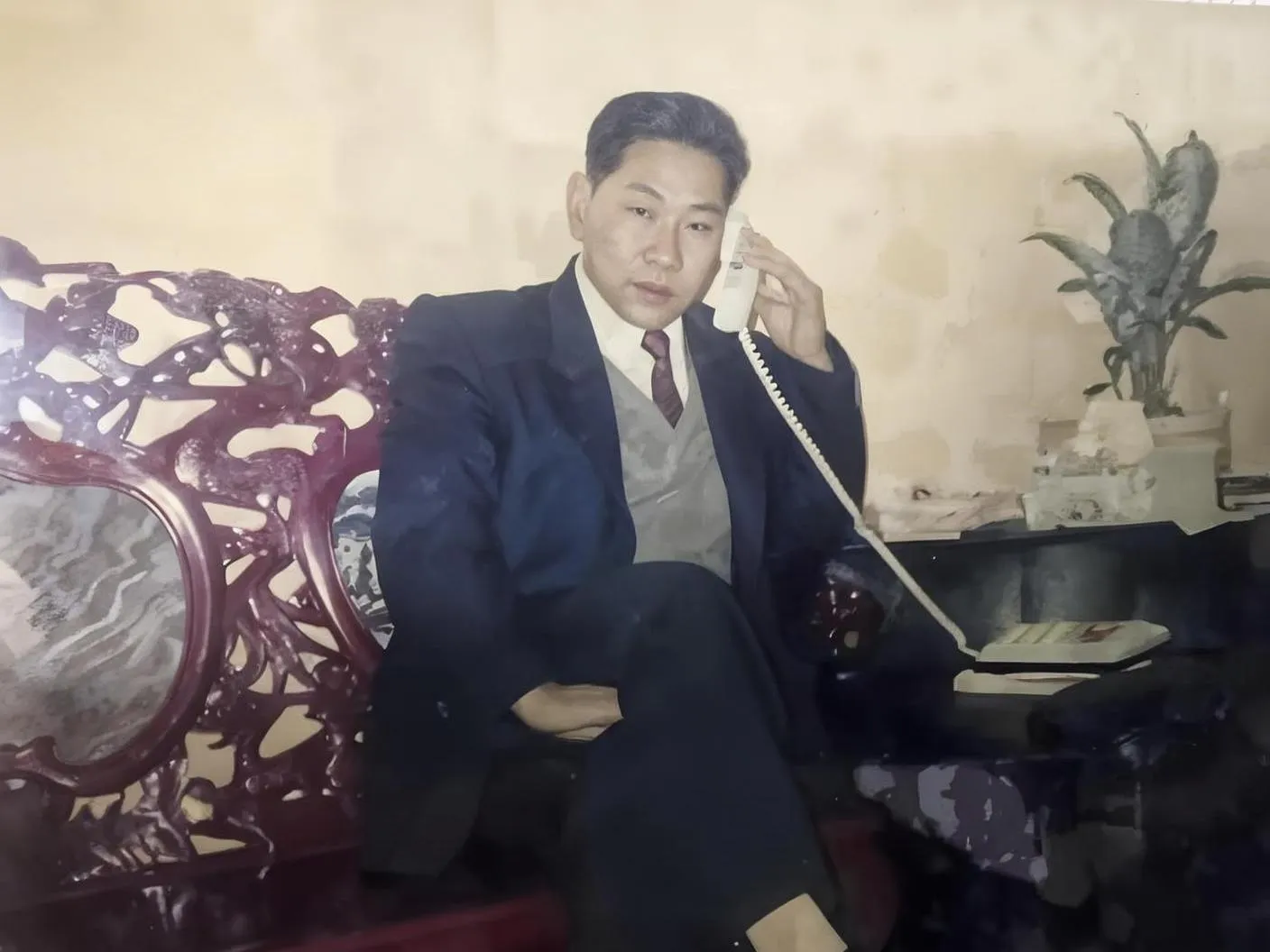
每逢清明节、重阳节,海内外赖氏宗亲都会不远万里回来祭祖,相聚在振威将军第前。那香火缭绕的祭祀仪式、那血浓于水的宗亲团聚、那"三江水合,一脉同源"的深情,背后都有赖孟柱多年的奔走与付出。他主持修订族谱、修缮祠堂、组织祭祖活动,把家族的根脉牢牢扎在鹏城村的土地上。
这是一份没有报酬的工作,全凭一腔热忱与担当。但正是在赖孟柱等宗亲会理事的长期努力下,赖氏家族文化才得以延续,海内外宗亲才有了一个可以归来的精神家园。他对家族文化的传承,作出了不可替代的贡献。
五、耕读传家:德行垂范的守城人
赖孟柱的一生,可以用三个词来概括:务实、无私、坚守。
务实——无论是当村主任还是做宗亲会工作,他都脚踏实地,不务虚名。修一条路、清一口井、联络一位宗亲、组织一次祭祖,件件都是实事,桩桩都有回响。他用行动告诉后人:什么叫"为民办实事"。
无私——他把自己的时间和精力,都献给了村里和家族的事业。当村主任,他一心为公,不谋私利;做宗亲会工作,他热心奔走,分文不取。他心里装着的,是全村人的日子、全族的根脉,唯独没有他自己。
坚守——从逃港潮中的选择留下,到改革开放后的守土尽责,再到晚年为家族文化奔走,他一生未离开大鹏,一生未离开鹏城村。他守的不仅是一座古城的城墙,更是赖氏家族的根脉,是鹏城村的文脉,是中国人"叶落归根"的精神信仰。
他没有惊天动地的伟业,没有腰缠万贯的财富,但他用一生的坚守,赢得了乡邻发自内心的尊敬。提起"孟柱叔""孟柱主任",鹏城村的人都会竖起大拇指。这口碑,比任何奖章都珍贵。
结语
赖孟柱的一生,是扎根乡土、服务桑梓的一生,是守护文脉、传承家风的一生,是忠勇传家、知行合一的一生。
从抗英名将赖恩爵的四代孙,到新时代的"守城人",他把先祖的忠勇爱国,转化为对家乡的深情守护;把将军世家的担当,落实为村主任的为民服务。他用一生的时间,做了一件事——守住这座城,守住这个家,守住这份根。
如今,鹏城村的城墙依旧矗立,振威将军第的香火依旧缭绕。而那位守了一辈子的老人,已经化作了这片土地上的一棵树、一块石、一缕乡愁。他的德行风范,足为后世楷模;他的守城精神,将与大鹏所城同在。
赖孟柱先生千古,精神长存。
Lai Mengzhu (October 1943 – January 2023) was a native of Pengcheng Village, Dapeng New District, Shenzhen, and a fourth-generation descendant of the anti-British general Lai Enjue. He served as Director of the Pengcheng Village Committee of Dapeng Town, Shenzhen, and Vice President of the Council of the Shenzhen Pengcheng Lai Clan Association. Born in the general's hometown and raised beneath the walls of the old fortress, he took root in the native soil and served his homeland all his life — benefiting the people with the sense of duty of a village director, uniting the clansmen with the enthusiasm of a vice president, and guarding the homeland with the perseverance of a "keeper of the fortress". His neighbours honoured him as the last "Keeper of the Fortress" of the ancient city of Dapeng.
I. A Loyal Bloodline: The Family Heritage of a General's Descendant
Pengcheng Village stands on the Dapeng Peninsula. Founded in the 27th year of the Hongwu reign of the Ming dynasty (1394), it is among the first group of "China Famous Historical and Cultural Villages" nationwide and the only one in Shenzhen. Across the Ming and Qing dynasties more than ten generals emerged from Dapeng Fortress, earning Pengcheng Village the reputation of "Village of Generals"; and the Lai family's "five generals in three generations" gave rise to the saying "the Yang family generals of the Song dynasty, the Lai family legion of the Qing dynasty".
Lai Mengzhu's great-great-grandfather Lai Enjue was the famous anti-British general of the Opium War era. In 1839 Lai Enjue led his naval forces in striking hard at the British invaders in the Battle of Guanchong, winning the victory of the Battle of Kowloon, and was later promoted to Zhenwei General. In the negotiations between China and Britain he stood firm against Britain and did not yield to foreign insult; as a military man he defended the nation's maritime frontier and national dignity. This loyal and courageous spirit — "a civil official would grow thin for the records of history; a military officer would gladly be a soldier on the battlefield" — is deeply engraved in the genes of the Lai family.
As a fourth-generation descendant of Lai Enjue, Lai Mengzhu grew up in the corridors of the Zhenwei General's Mansion, listening to stories of his ancestor's resistance against the British and reading the family's maxims. "The post is never left unguarded, and guarding never departs from the principle" — these eight characters were not only the military order with which the Lai ancestors guarded the sea frontier, but also the code of conduct he practised all his life. Born in the general's hometown and raised in the gate of loyalty, he did not lie on the record of his ancestor's merits, but turned this patriotic devotion into a deep guarding of his native soil, spending his whole life interpreting the weight of the four characters "guarding the land is a duty".
II. A Choice of the Times: The One Who Stayed
From the 1950s to the 1970s, great waves of flight to Hong Kong arose several times in the Shenzhen area. On the Dapeng Peninsula, adjoining Hong Kong, many villagers crossed the border to make a living. In those years of material scarcity and narrow prospects, leaving seemed a rational choice.
Yet Lai Mengzhu chose to stay.
Facing the surging tide and the pressure of survival, it was not that he had no chance to leave — a descendant of generals and a capable man of the village, he could have made his way anywhere. But he knew better the responsibility on his shoulders: this was where his ancestor Lai Enjue had fought, the homeland where the Lai family had lived for generations, at the foot of the walls of Dapeng Fortress's six hundred years. "Guarding the land is a duty" was not only the Lai family maxim, but his lifelong conviction.
To choose to stay in those years required not only courage, but also a deep affection for and commitment to the hometown. With his choice he answered a simple question: when most people were walking outward, who would guard this land? Lai Mengzhu gave the answer with his whole life — he, stayed. From youth to old age he never left, and was honoured by his neighbours as the "Keeper of the Fortress" of the old city.
III. Serving the People: Twelve Years as Village Director
Lai Mengzhu served as Director of the Pengcheng Village Committee for twelve years on end. Twelve years is not short in one man's life; in the history of a village's development it is a period enough to change its face.
In office he was diligent and attentive to everything, always keeping the villagers' production and daily life at heart. In the early years of reform and opening-up, Pengcheng Village faced a critical juncture of transformation from traditional farming to modernity. With a pragmatic style he promoted the village's infrastructure construction — building roads, bringing in water, providing electricity — improving the villagers' living conditions bit by bit; and with a long-term view he developed the collective economy, laying a solid foundation for the village's transformation after reform and opening-up.
He did not indulge in empty talk; he did real things. Villagers remember: when any family was in difficulty, the first person they thought of was Director Mengzhu; when a road needed repair or a well needed cleaning, he always led the way. Through twelve springs and autumns he measured every inch of Pengcheng Village with his own steps, and won the villagers' trust and respect with his sincerity. He was the true "head of the household" in the villagers' hearts — not a cadre sitting in an office, but one of their own standing on the field ridges, walking the village lanes, sharing weal and woe with his fellow villagers.
IV. Uniting the Clansmen: Selfless Service to the Clan Association
As a descendant of the Lai family, Lai Mengzhu cherished deep feelings for the family culture. During his tenure as Vice President of the Council of the Pengcheng Lai Clan Association, he devoted all his enthusiasm to clan fellowship and cultural heritage.
The Lai clansmen of Dapeng Fortress have gone from here to all parts of the world — some in Hong Kong, some in Southeast Asia, some across the oceans to Europe and America. But no matter how far they went, their root is in Pengcheng Village. Lai Mengzhu actively contacted clansmen at home and abroad; letter after letter, phone call after phone call, he reunited the scattered descendants of the Lai family. He often said: "Blood ties connect us; the root must not be broken."
On Qingming Festival and the Double Ninth Festival every year, clansmen from home and abroad return from afar to worship their ancestors, gathering before the Zhenwei General's Mansion. Behind that incense-filled sacrificial rite, that reunion of kin whose blood is thicker than water, and that deep affection of "three rivers' waters, one common source", were years of running about and effort by Lai Mengzhu. He presided over revising the genealogy, repairing the ancestral hall and organising ancestor-worship ceremonies, rooting the family's lineage firmly in the soil of Pengcheng Village.
It was unpaid work, done purely out of enthusiasm and commitment. But it was through the long efforts of Lai Mengzhu and other council members that the Lai family culture was able to carry on, and that clansmen at home and abroad have had a spiritual home to return to. His contribution to the inheritance of the family culture is irreplaceable.
V. Farming and Studying as Family Tradition: A Model of Virtue
Lai Mengzhu's life can be summarised in three words: pragmatic, selfless, steadfast.
Pragmatic — whether as village director or in clan association work, he kept his feet on the ground and sought no empty fame. Repairing a road, cleaning a well, contacting a clansman, organising an ancestor-worship ceremony — every item was real work, and every deed had its echo. With his actions he told later generations what "doing real things for the people" means.
Selfless — he devoted his time and energy to the village and the family. As village director he was wholeheartedly public-spirited and sought no private gain; in clan association work he ran about enthusiastically and took no pay. What his heart held were the daily lives of the whole village and the roots of the whole clan — never himself.
Steadfast — from choosing to stay in the tide of flight to Hong Kong, to guarding the land after reform and opening-up, and to running about for the family culture in his later years, he never left Dapeng, never left Pengcheng Village in all his life. What he guarded was not only the walls of an old city, but the roots of the Lai family, the cultural lineage of Pengcheng Village, and the Chinese people's spiritual faith that "falling leaves return to their roots".
He had no earth-shaking achievements and no vast wealth, but with a lifetime of steadfastness he won the heartfelt respect of his neighbours. When "Uncle Mengzhu" or "Director Mengzhu" is mentioned, the people of Pengcheng Village all raise their thumbs. This reputation is more precious than any medal.
Conclusion
Lai Mengzhu's life was a life of taking root in the native soil and serving his homeland, a life of guarding the cultural lineage and carrying on the family tradition, a life of loyalty and courage handed down and of unity between knowledge and action.
From a fourth-generation descendant of the anti-British general Lai Enjue to the "Keeper of the Fortress" of the new era, he turned his ancestors' loyalty and patriotism into a deep guardianship of his hometown, and the responsibility of a general's family into service to the people as village director. In his whole life he did one thing — to keep this city, to keep this family, to keep this root.
Today the walls of Pengcheng Village still stand, and the incense of the Zhenwei General's Mansion still burns. But the old man who guarded it all his life has become a tree, a stone, a wisp of nostalgia in this land. His virtue is a model for later generations; his spirit of keeping the fortress will live together with Dapeng Fortress forever.
Mr. Lai Mengzhu — may his memory last forever.